Furniture Design & Space Planning
Consultation & Brief
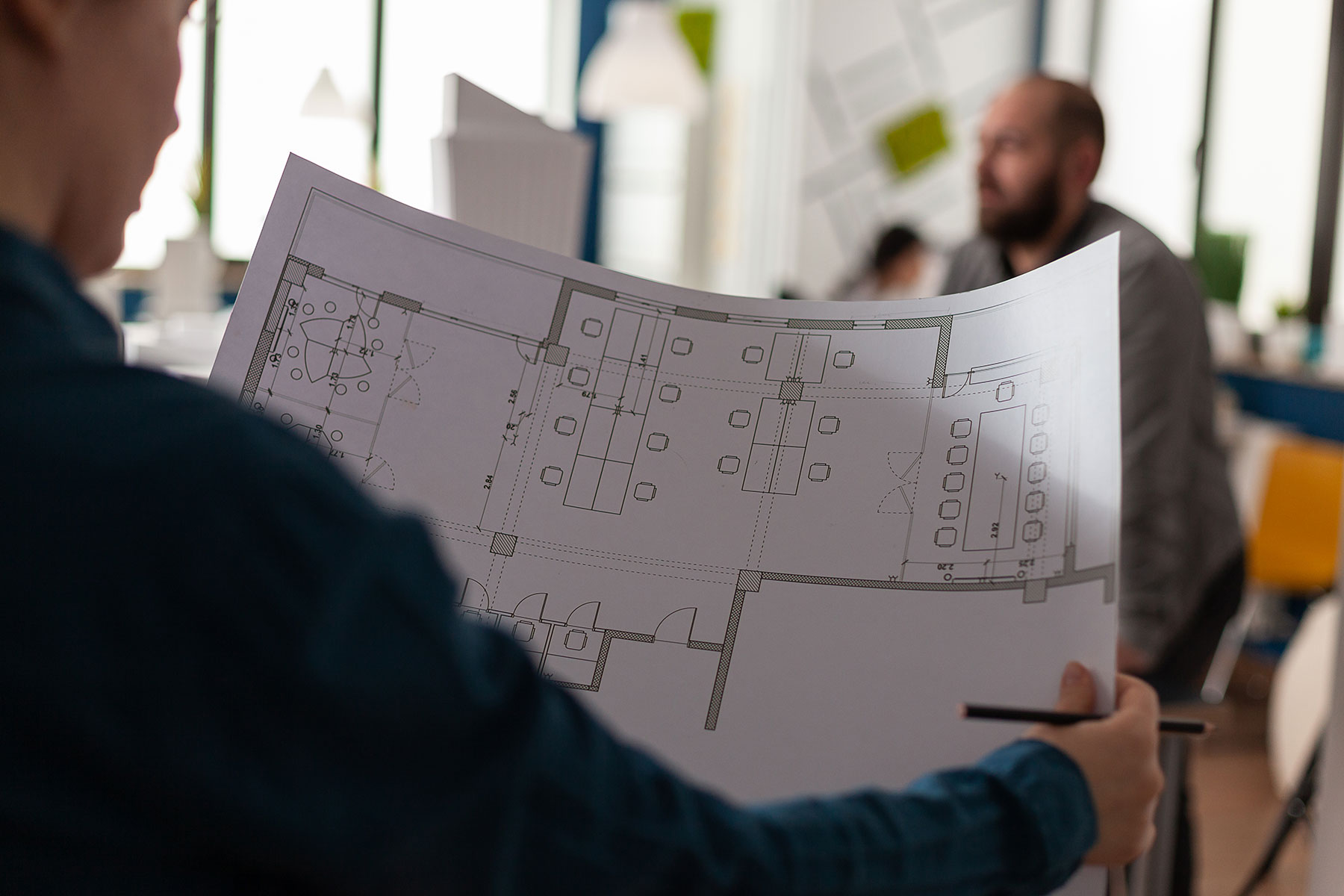
The Consultation & Brief phase is a critical starting point in the Furniture Design & Space Planning process. It involves in-depth discussions with the client to understand their vision, requirements, and objectives for the furniture piece or space. During this phase, designers gather essential information about the intended style, function, and materials, as well as any specific spatial or ergonomic considerations.
The consultation ensures that the design aligns perfectly with the client’s expectations while optimizing the functionality of the space. A well-defined brief serves as a roadmap for the entire project, guiding the design team and minimizing the risk of misalignments during later stages of development. This ensures a seamless and successful design process.




Concept Design & Visualization
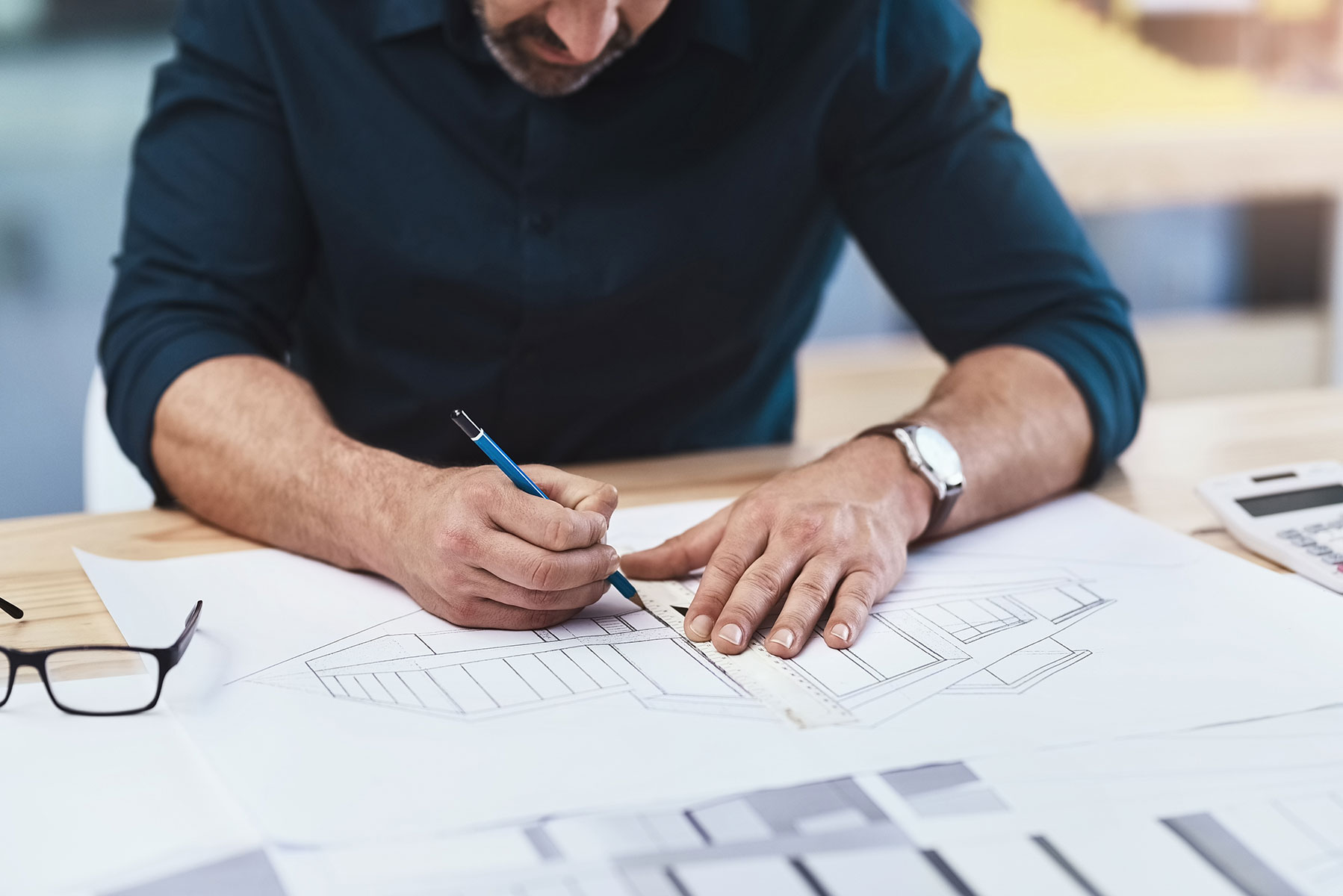
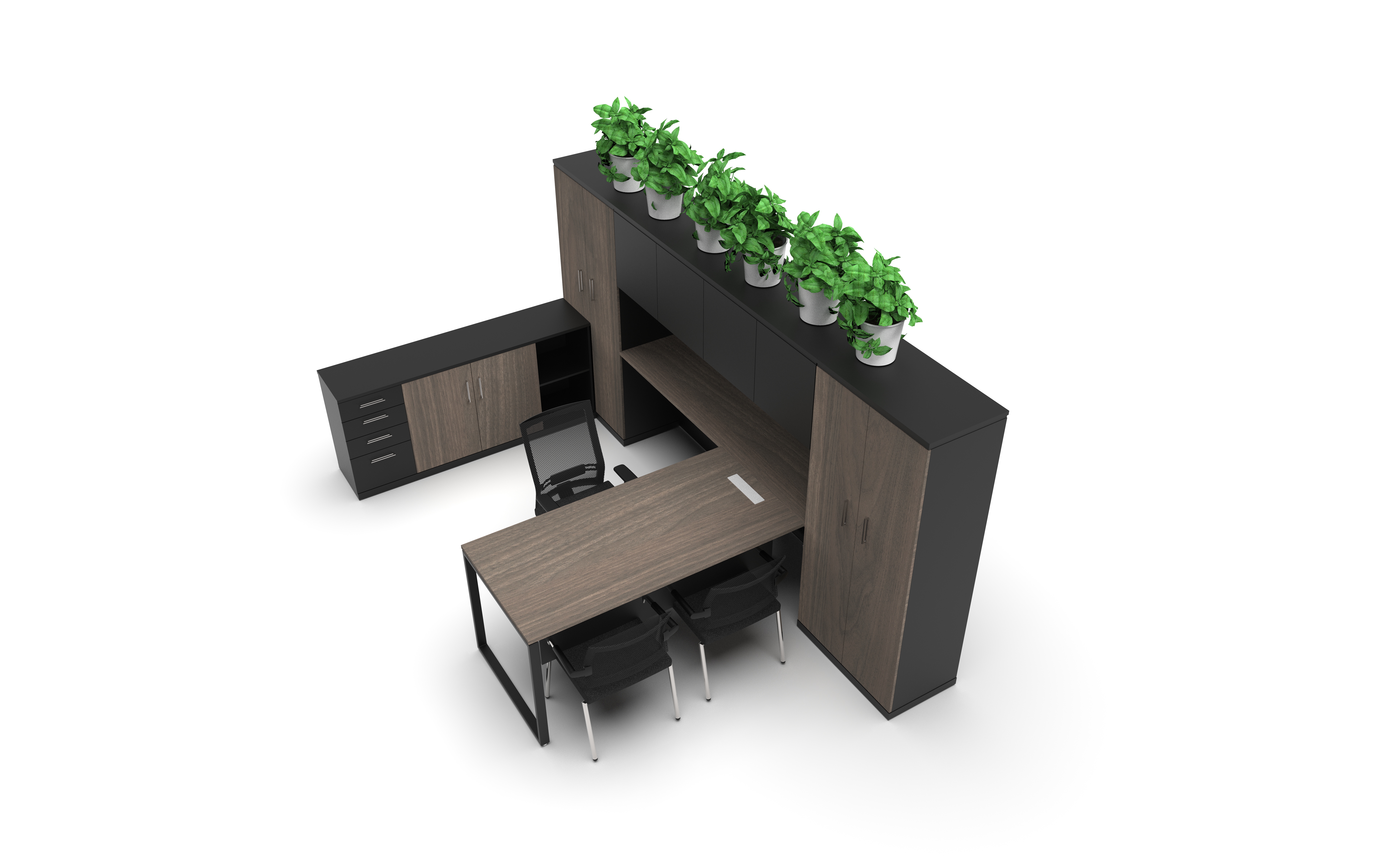
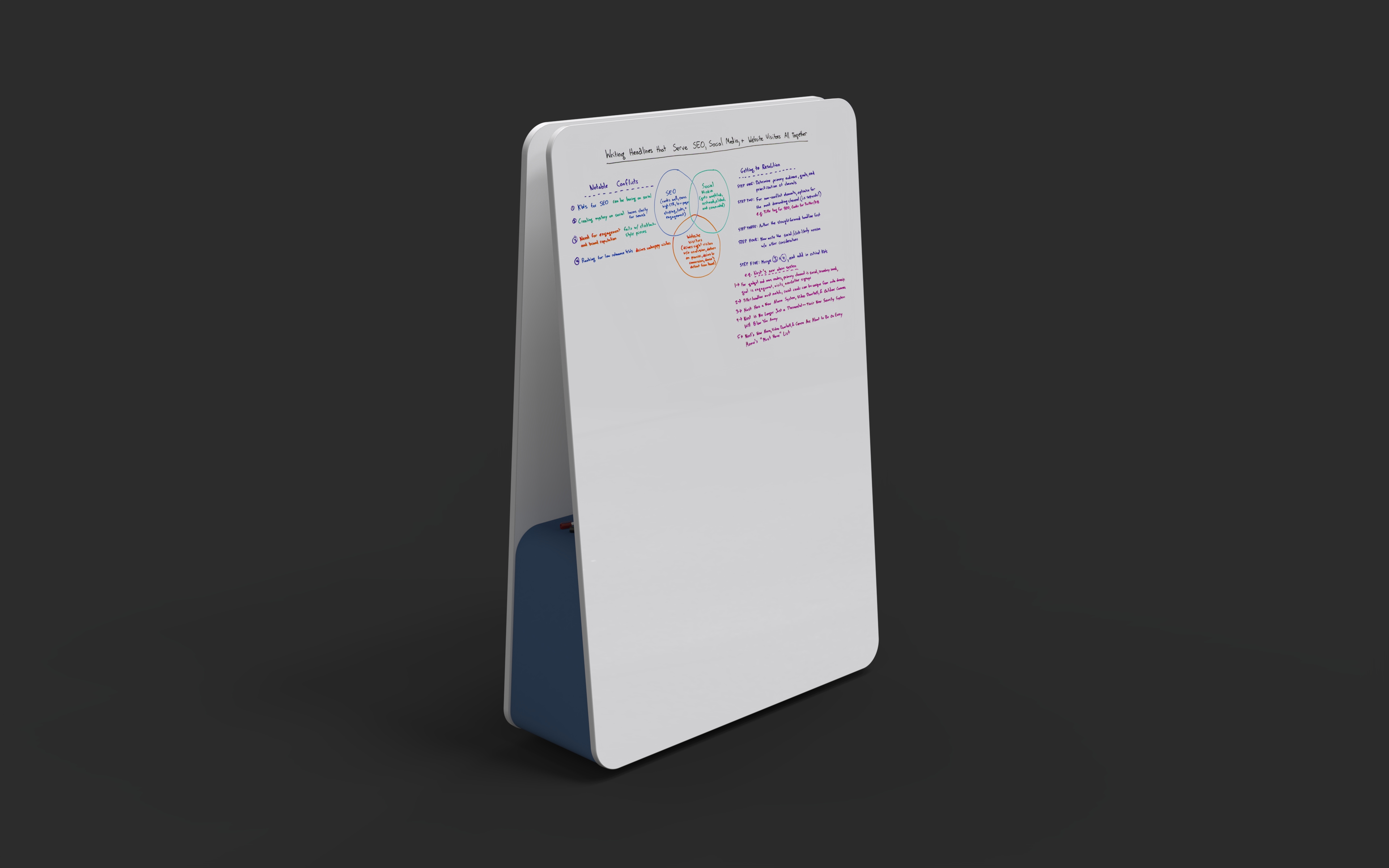
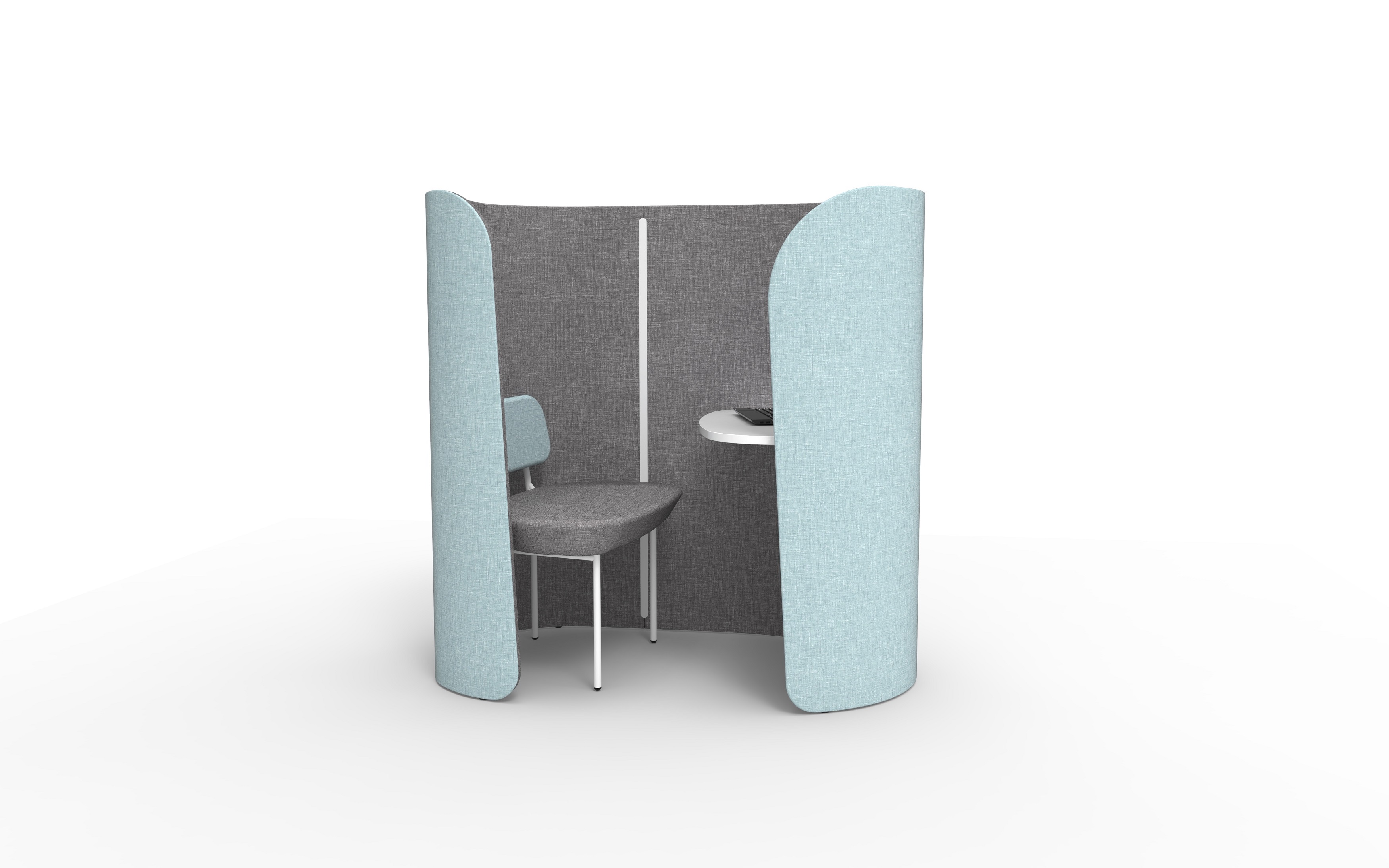
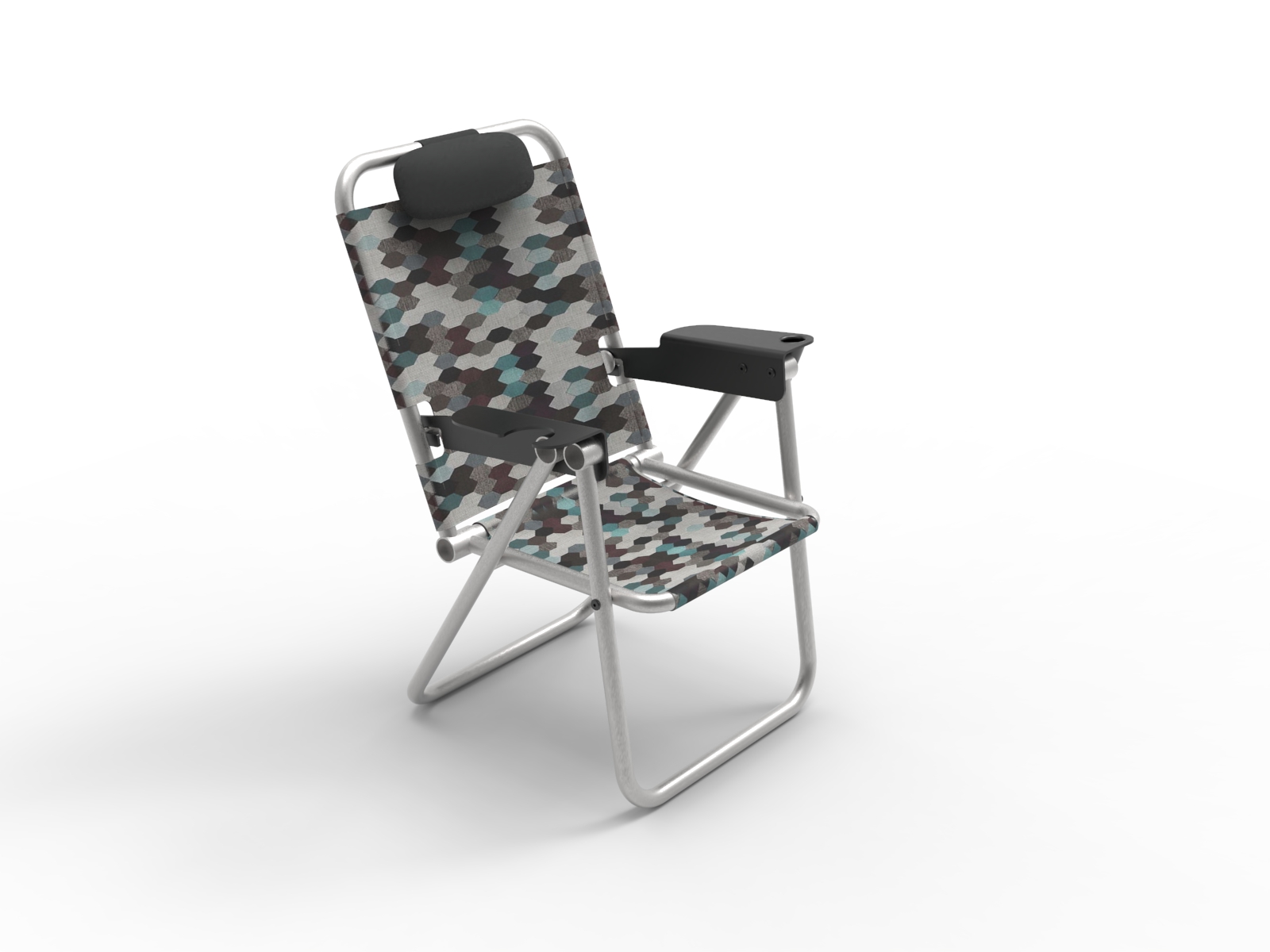
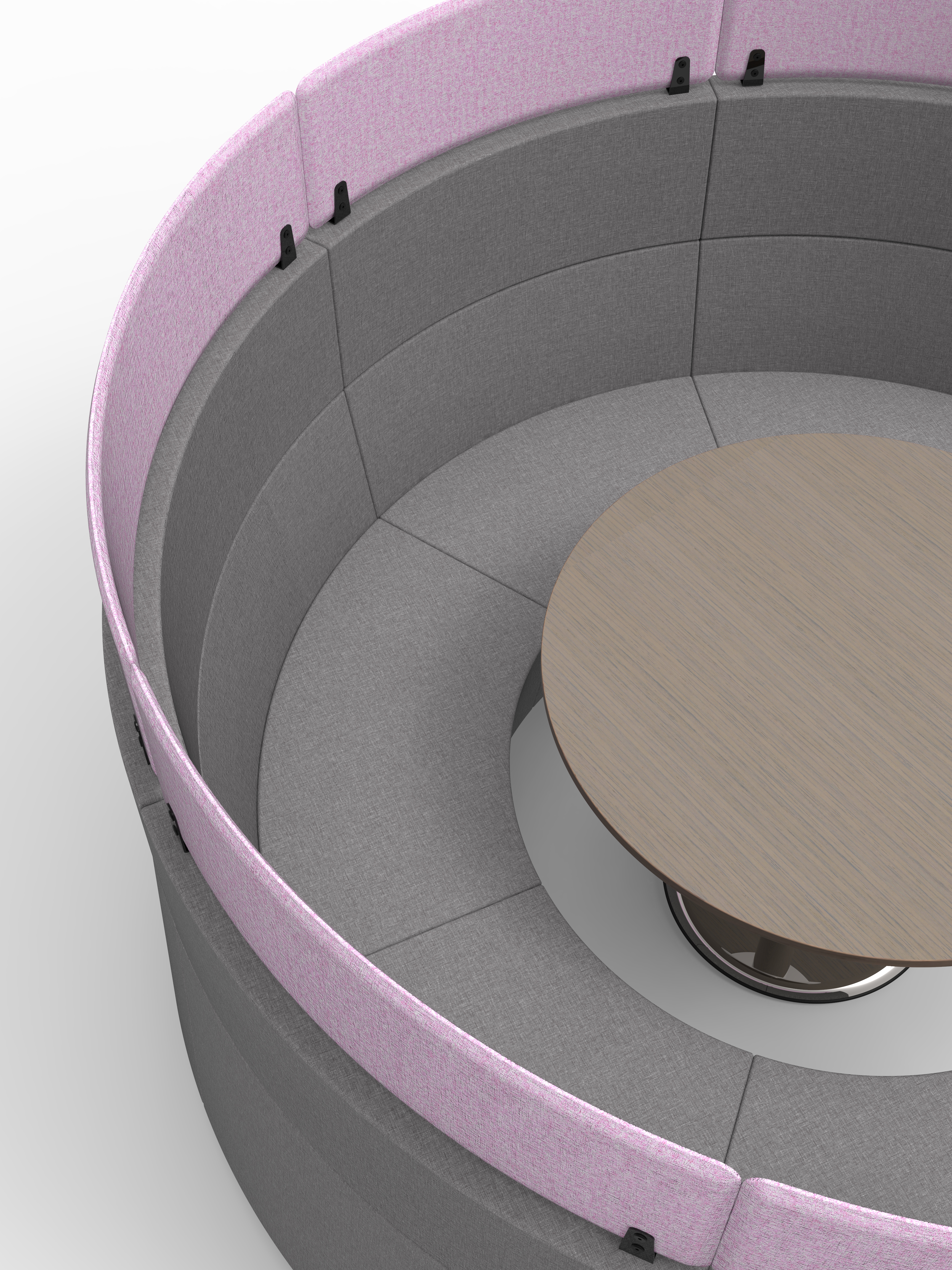
Conceptual Furniture Design is the initial phase where innovative ideas are explored and sketched, considering the intended use, style, and materials. This process involves understanding the space, user preferences, and functional needs to create furniture pieces that are not only aesthetically appealing but also practical.
By developing clear concepts, designers can visualize and test various forms and structures, ensuring the piece aligns with both aesthetic and functional goals. This foundational phase sets the direction for the design, ensuring that the final product reflects the client’s vision and enhances the overall ambiance of the space.
Material & Finish Selection
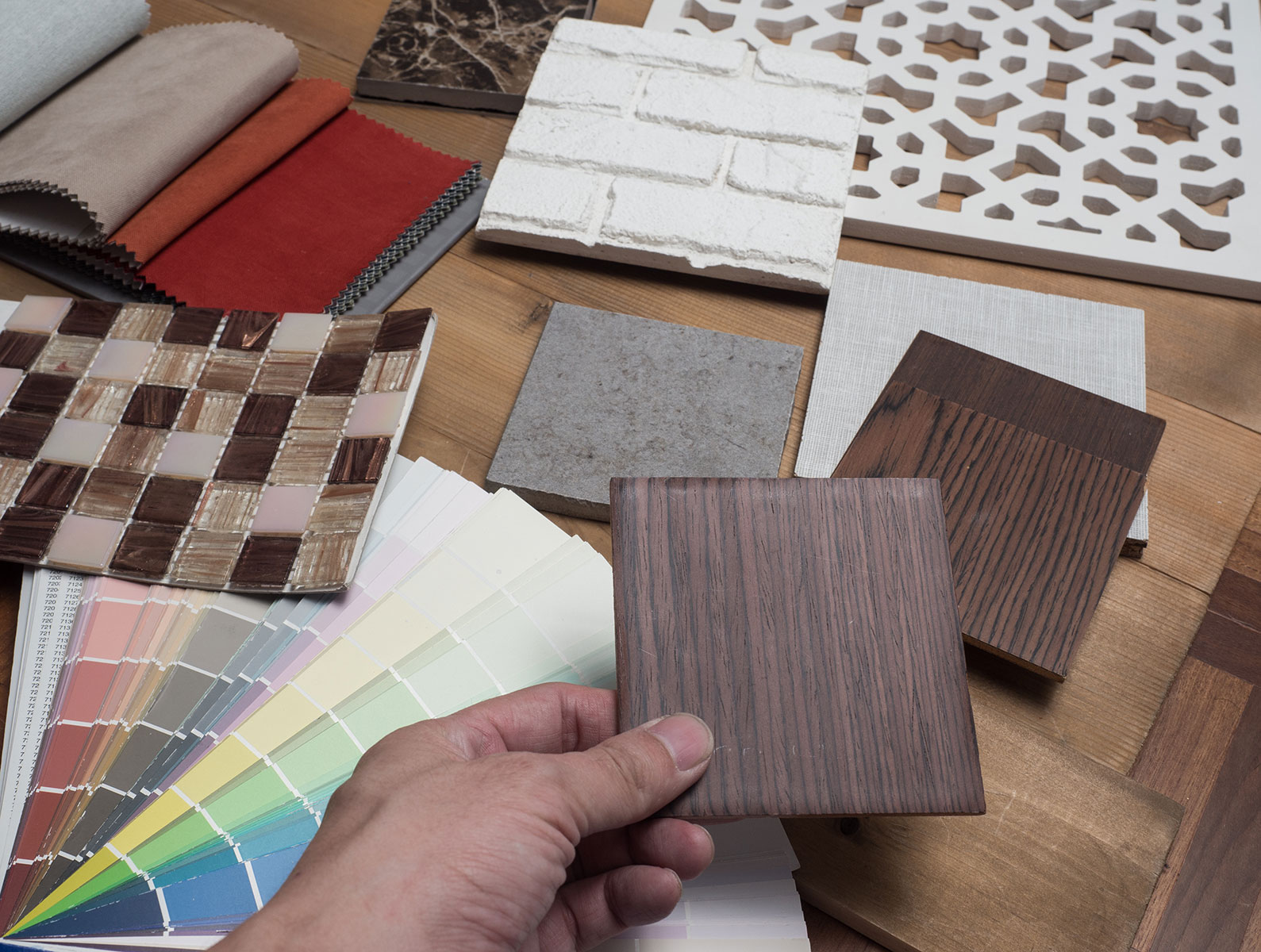
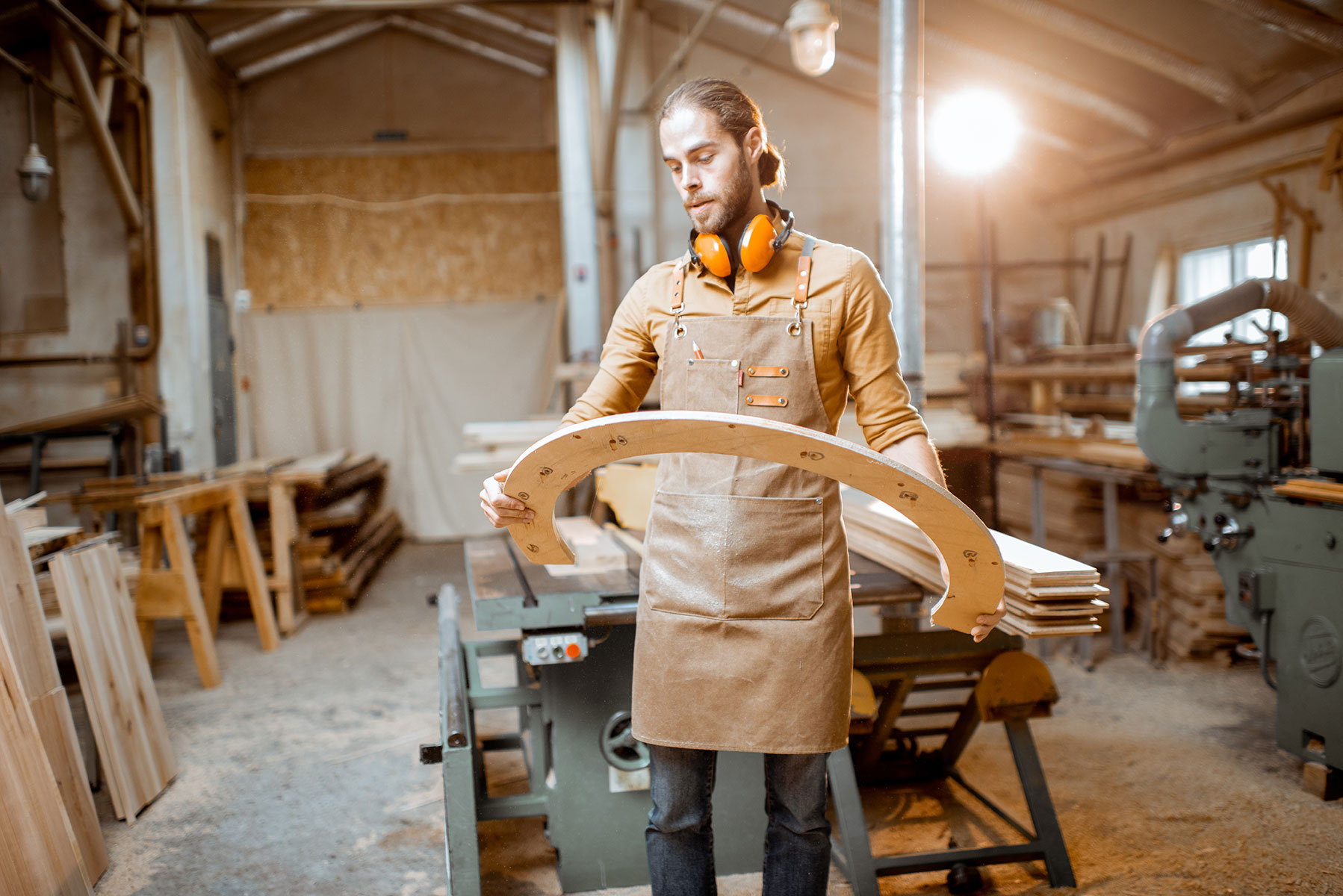
Material & Finish Selection is a critical phase in furniture design where the choice of materials and surface finishes defines the overall look, durability, and tactile experience of the product. This process involves balancing aesthetic preferences with practical considerations such as sustainability, cost, and performance.
Designers explore a range of materials, from natural woods to innovative synthetics, ensuring that the selections enhance both form and function. The right materials and finishes can elevate a piece, giving it a distinct character while ensuring longevity and usability. Careful selection in this phase ensures that the final product not only looks visually striking but also performs to the highest standards in its intended environment.


Detailed Drawings & Prototyping
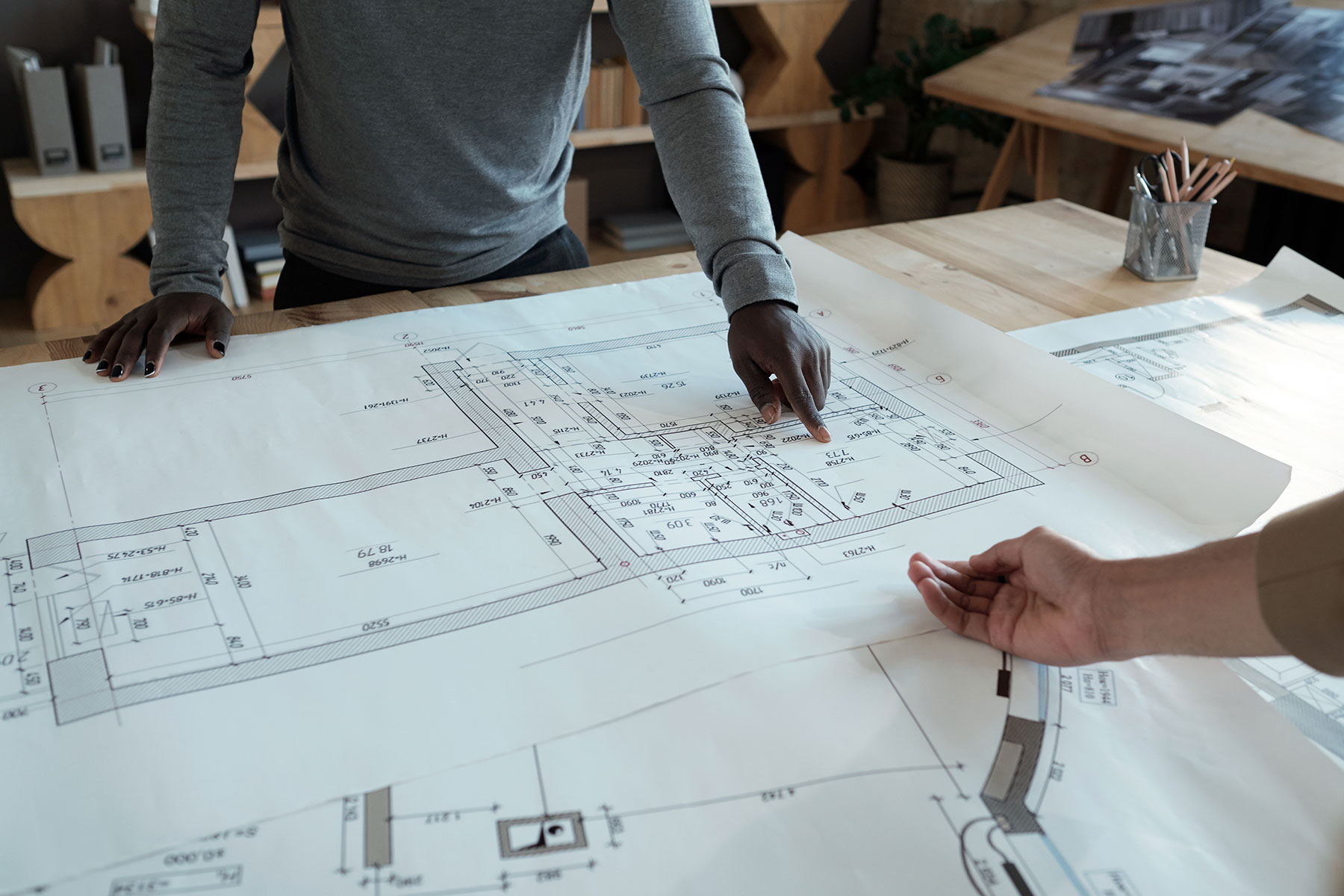
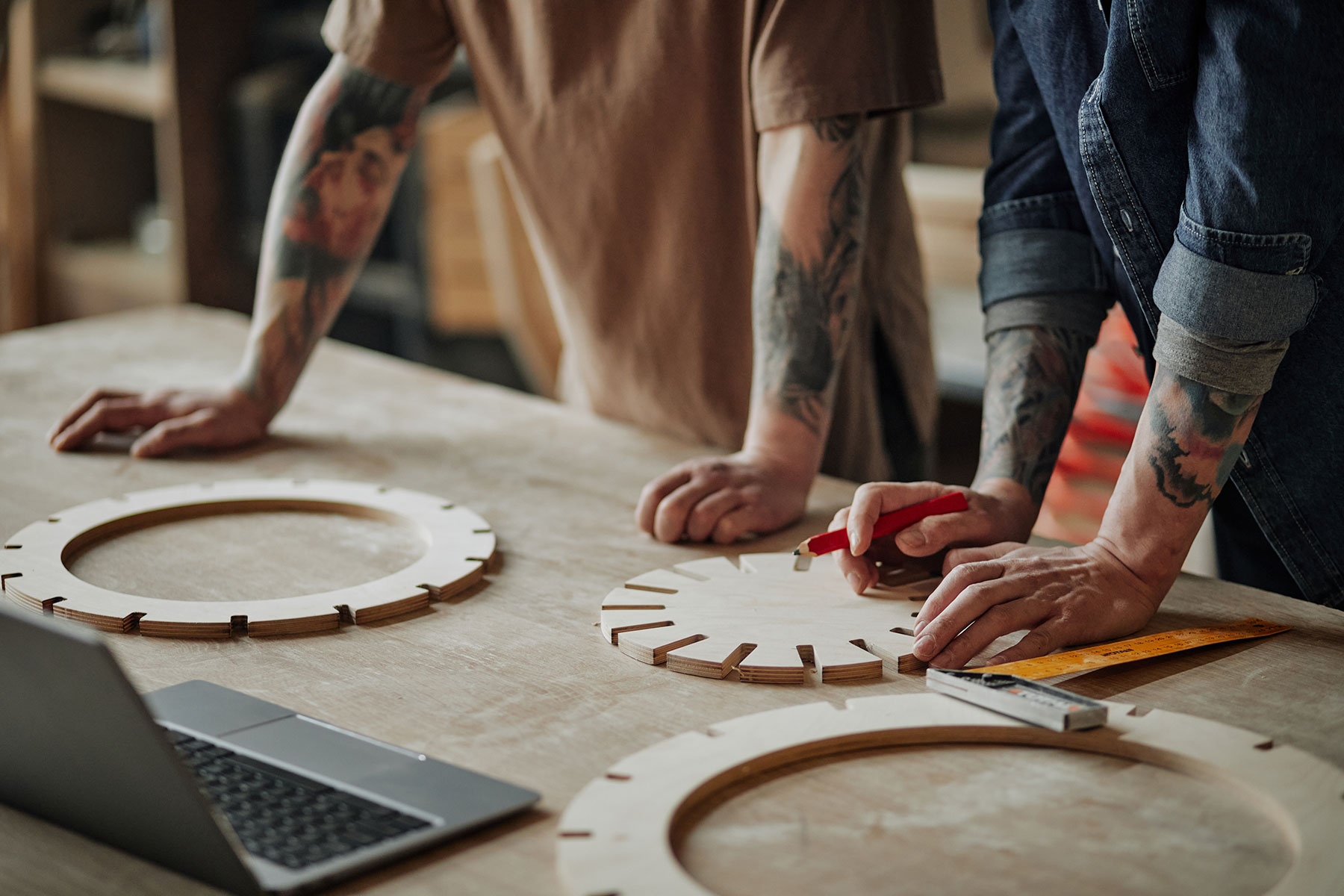
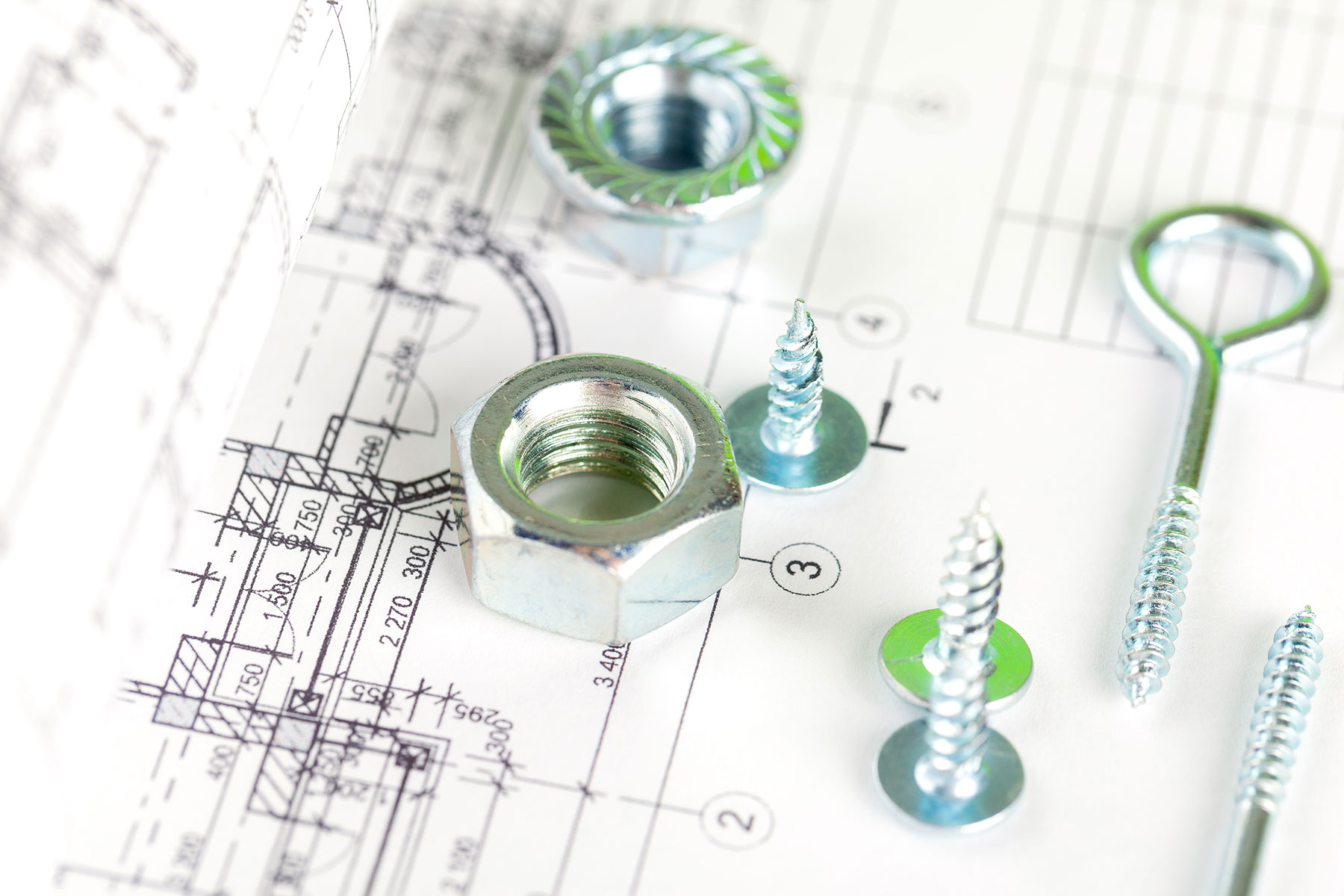
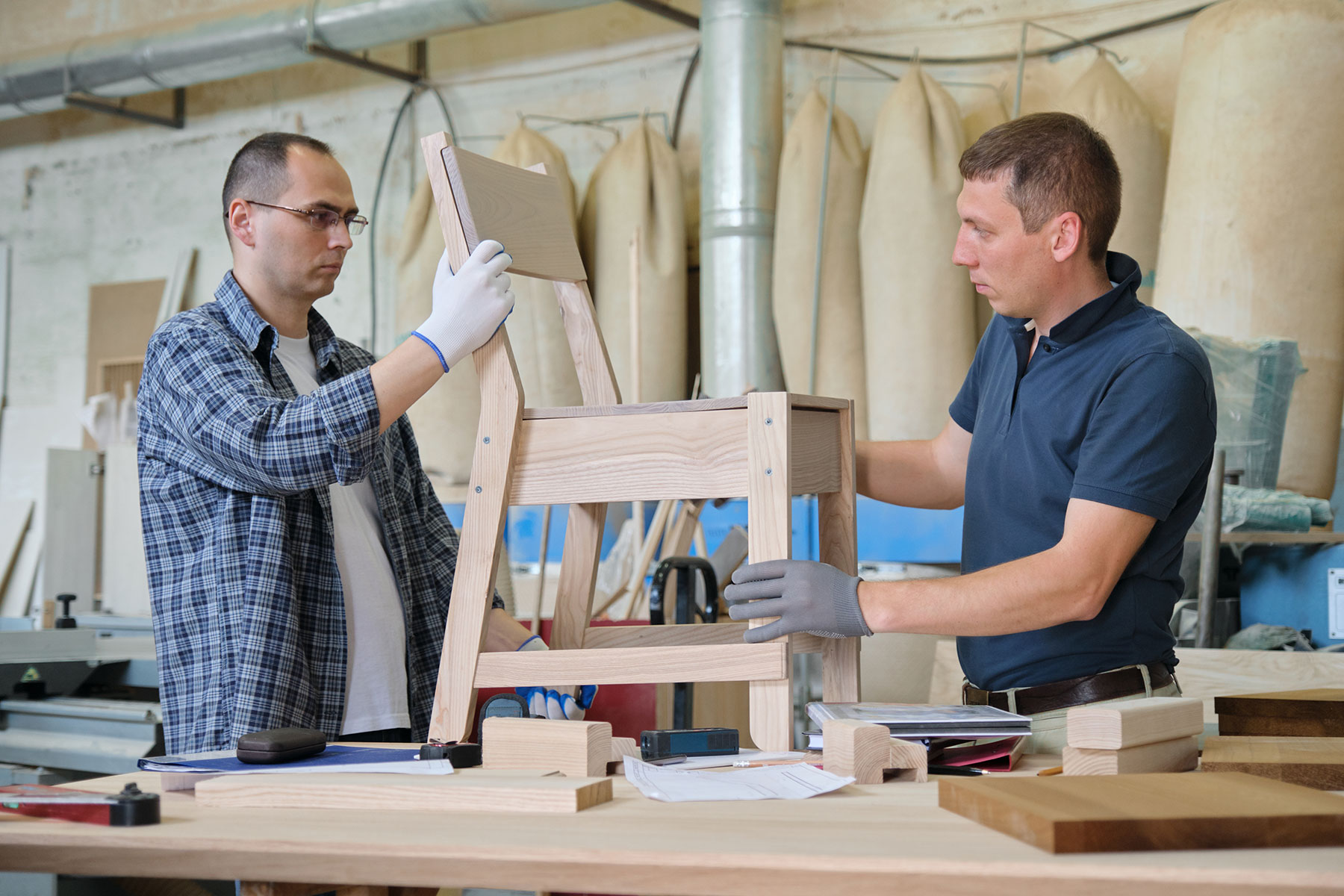
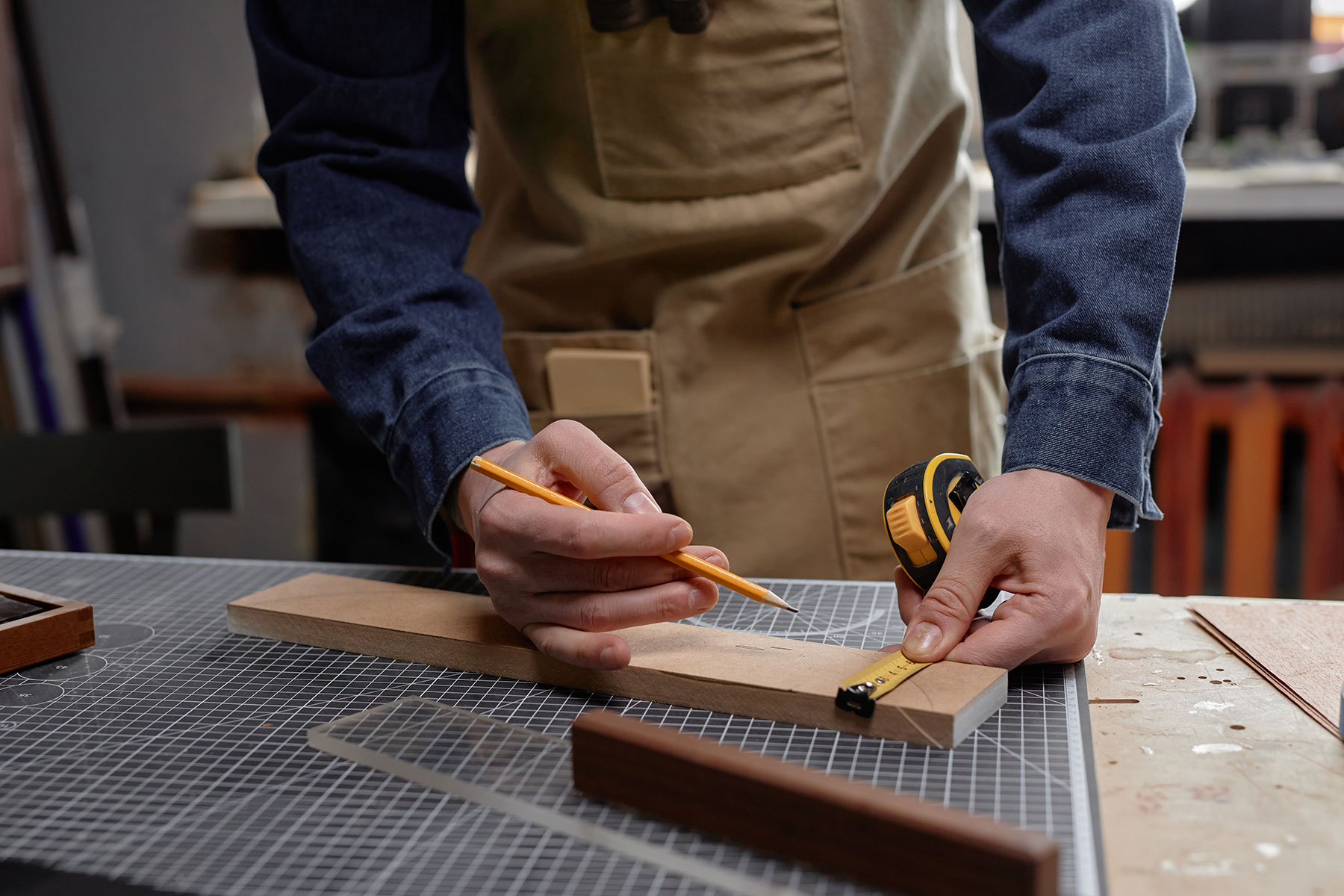
Detailed Drawings & Prototyping is where concept designs are translated into precise technical documentation and physical prototypes. This phase begins with the creation of accurate engineering drawings that include all necessary measurements, material specifications, and assembly details. These drawings provide a clear blueprint for manufacturers, ensuring the furniture piece is produced exactly as designed.
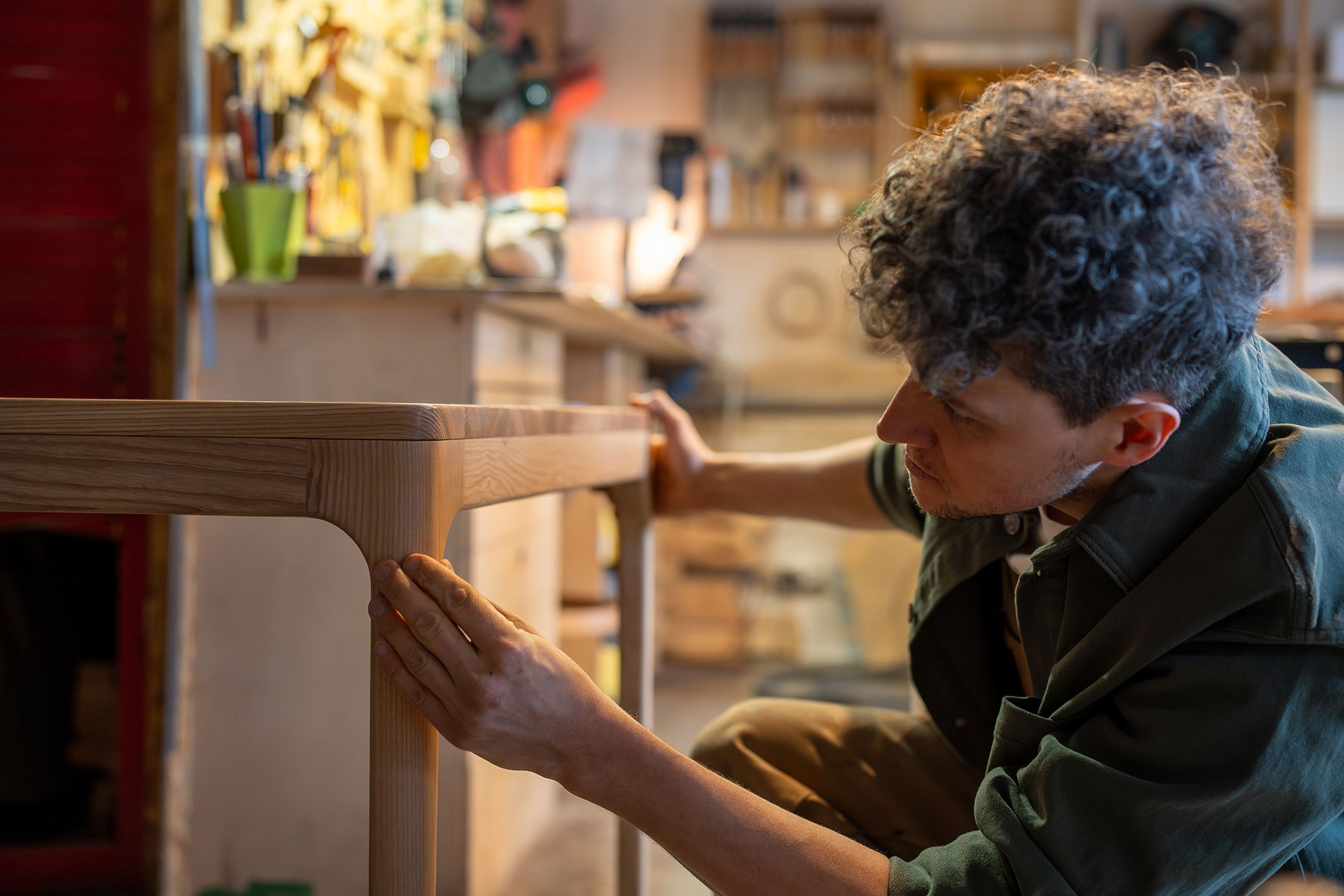
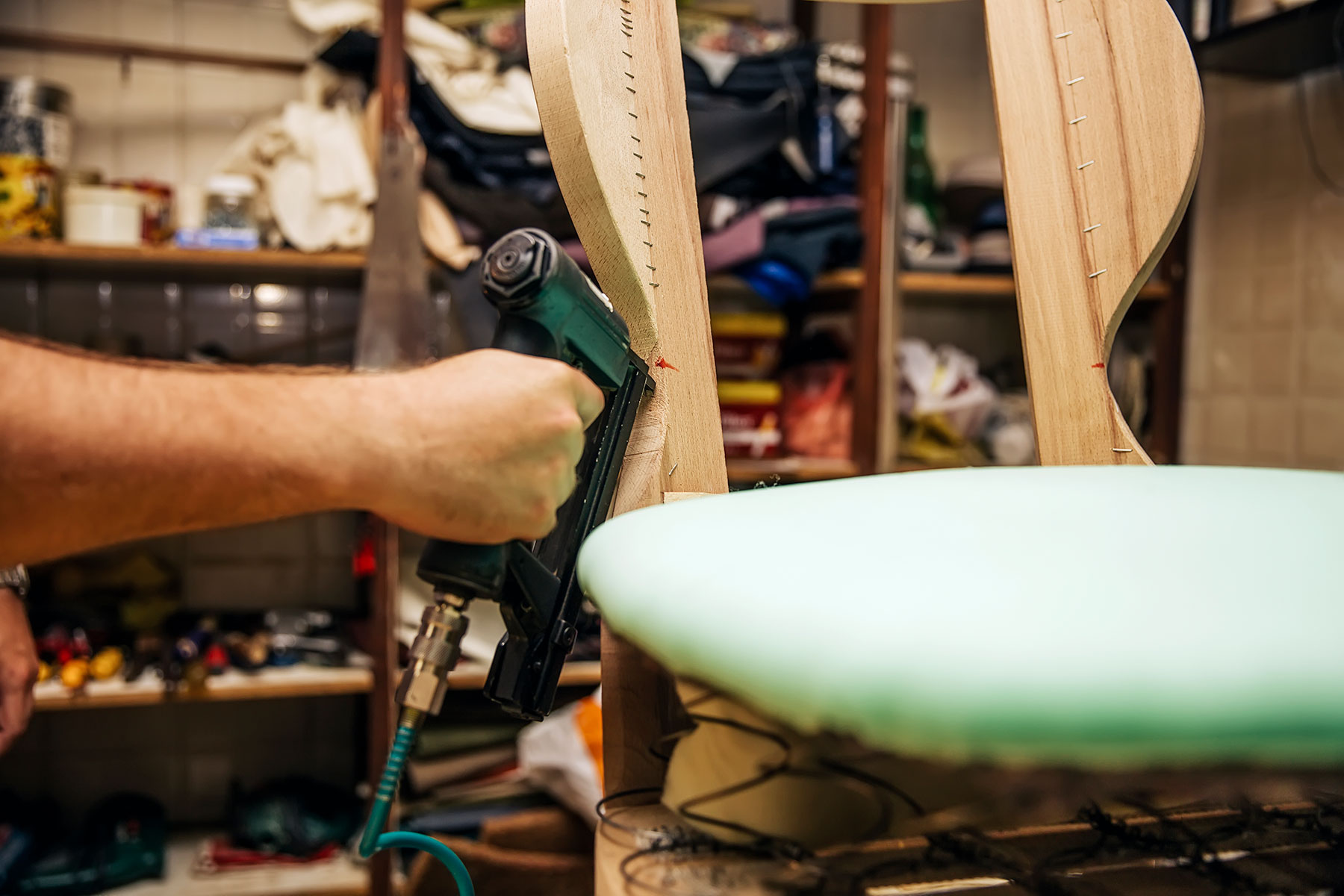
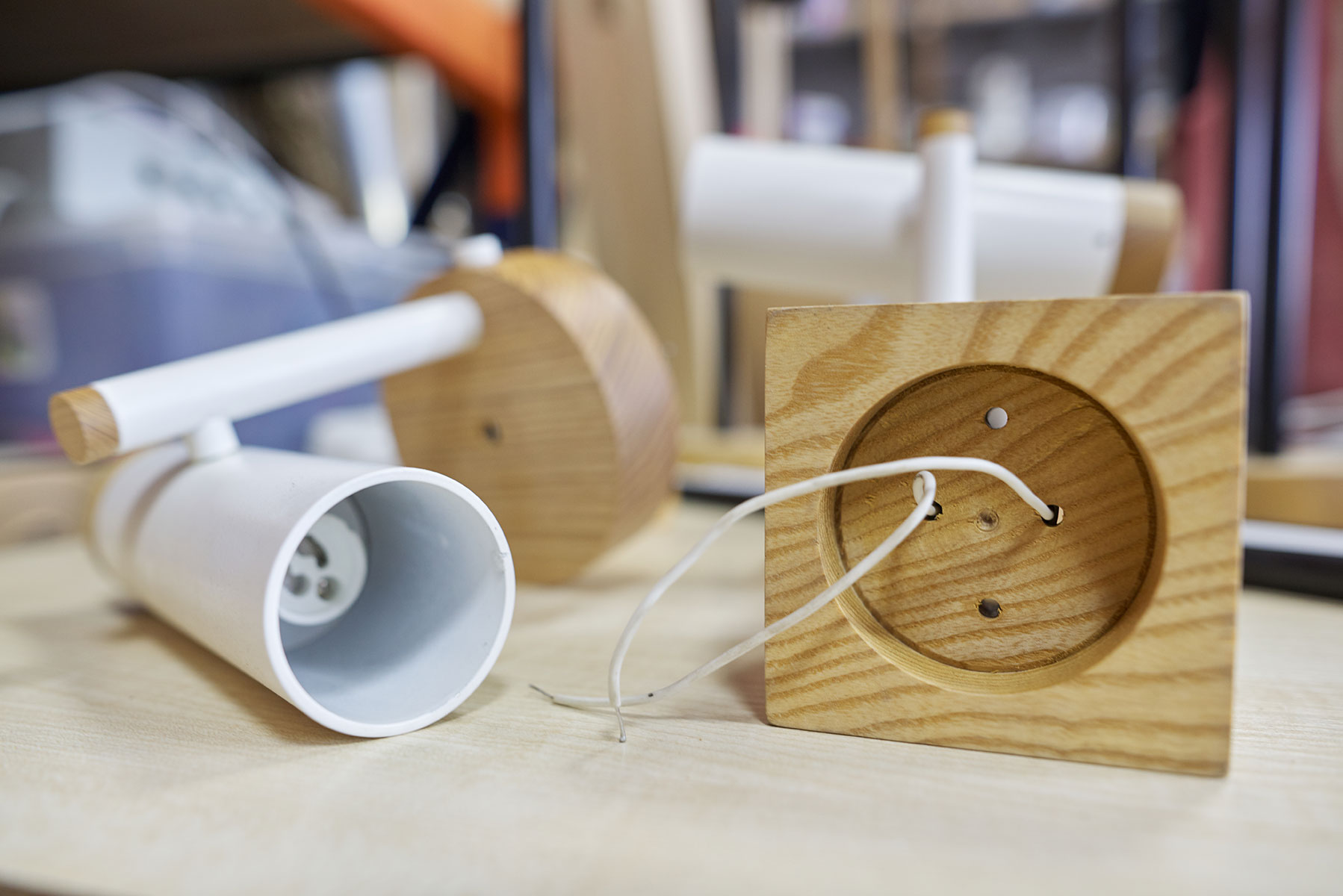
Following the drawings, a prototype is constructed to test the functionality, ergonomics, and overall design. The prototype allows for hands-on evaluation, ensuring that the piece meets both aesthetic and functional goals. By refining the design through prototyping, potential issues can be identified and corrected before full production, ensuring a seamless transition from concept to final product.
Space Planning & Layout Optimization
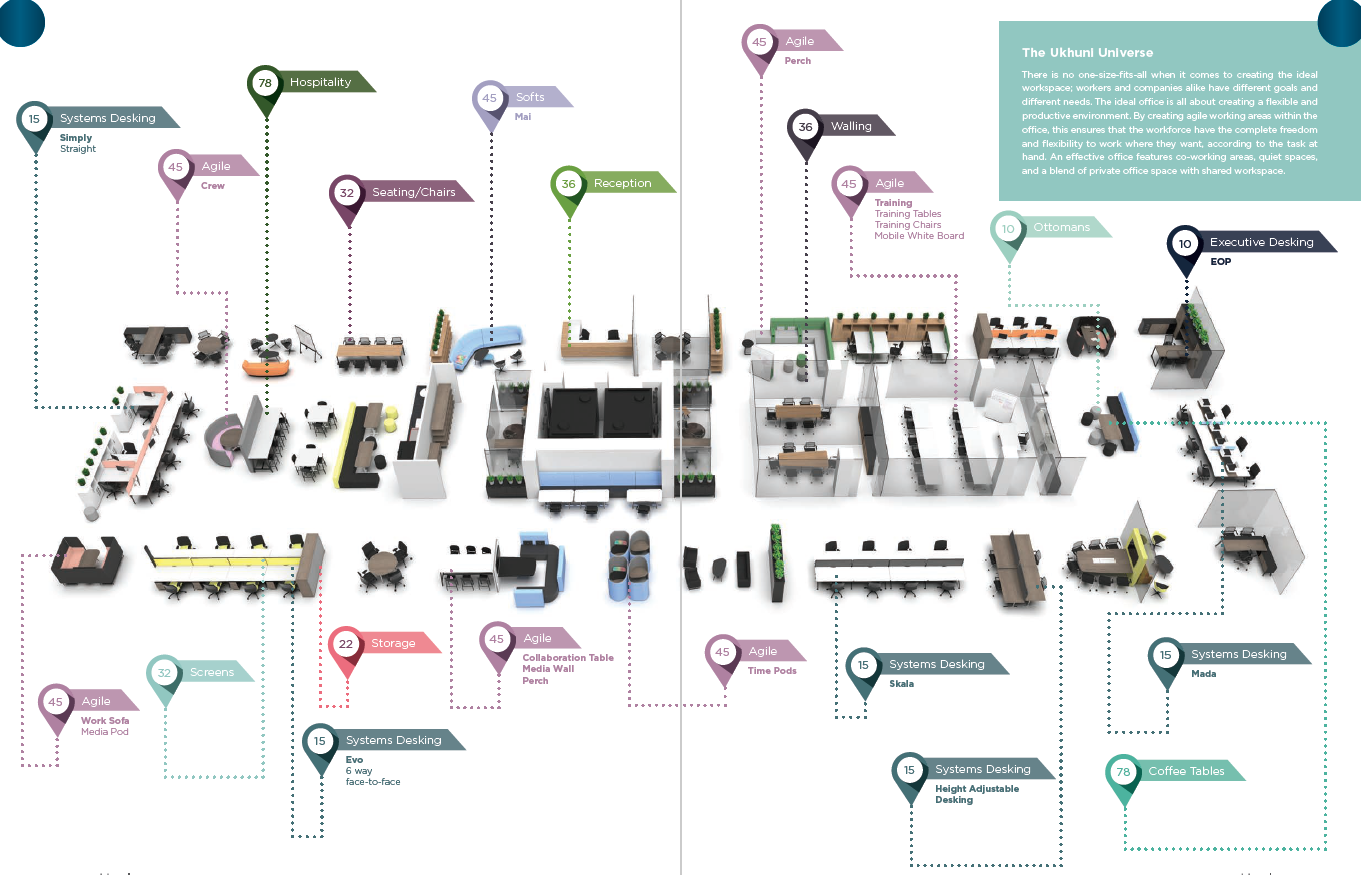
Furniture Layout Optimization focuses on arranging furniture pieces in a way that enhances both the functionality and aesthetics of a space. This process takes into account room dimensions, user needs, traffic flow, and the relationship between various elements within the environment. By optimizing furniture placement, designers create harmonious, ergonomic layouts that maximize comfort and usability while enhancing the overall visual appeal.
Thoughtfully planned layouts improve the efficiency of the space, making it more welcoming and effective for its intended purpose. Successful furniture layout optimization results in a balanced, well-organized environment that meets both practical and aesthetic goals.