Technical & Engineering Design
Engineering & Material Analysis
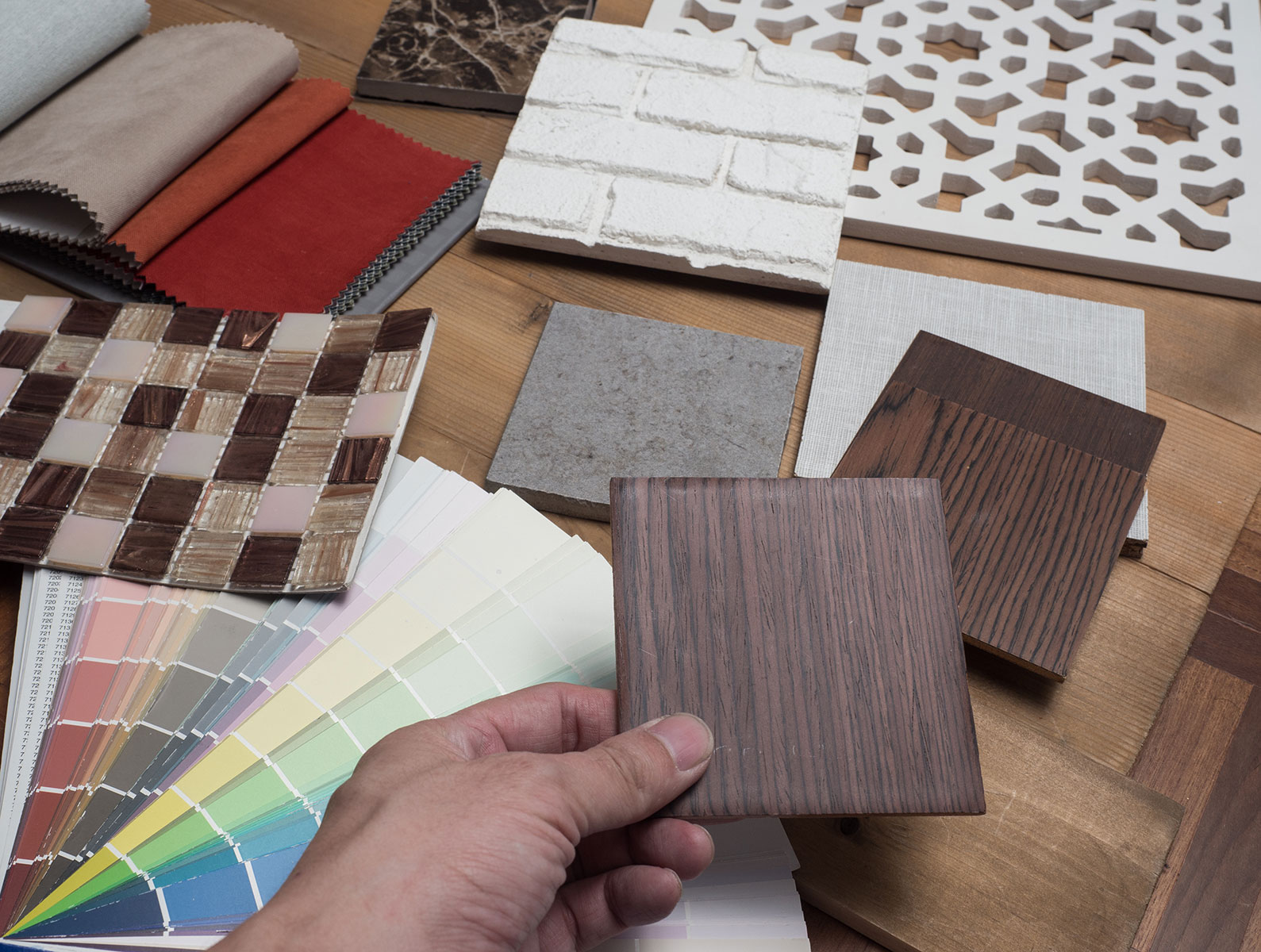
Engineering & Material Analysis is a critical phase in the Technical & Engineering Design process, focusing on ensuring that the design can be manufactured and will perform optimally in real-world conditions. This stage involves analyzing material properties such as strength, flexibility, and durability to determine the most suitable options for the product.
Engineers evaluate how different materials will respond to stress, environmental factors, and functional demands. This analysis ensures that the design is structurally sound and that the selected materials meet all necessary requirements for performance and longevity. By optimizing both engineering and material choices, this phase reduces risks and enhances the overall product quality.


CAD Modeling
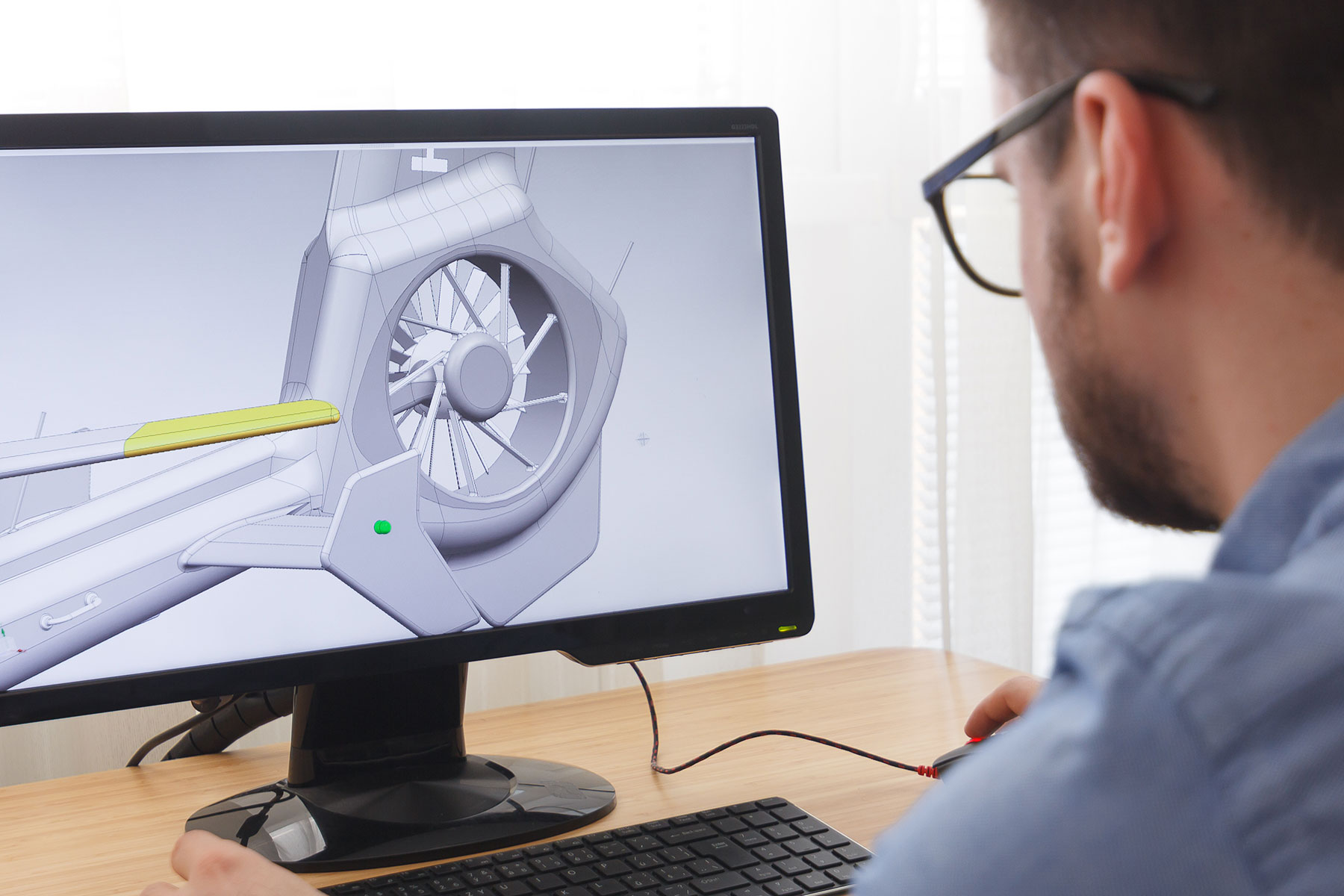
CAD Modeling is the foundation of precision-driven technical design, where detailed 3D models of a product are created using industry-leading software like AutoCAD, Solidworks, and Inventor. These digital models serve as the blueprint for engineering, ensuring that every aspect of the design—from dimensions to material properties—is captured with exacting accuracy.
CAD models facilitate efficient communication between design teams, manufacturers, and stakeholders, allowing for seamless iterations and improvements. A robust CAD model ensures that the product is optimized for functionality, manufacturability, and performance, offering a clear visual and technical representation that guides the entire development process toward successful production.



Mechanical Design & Component Integration
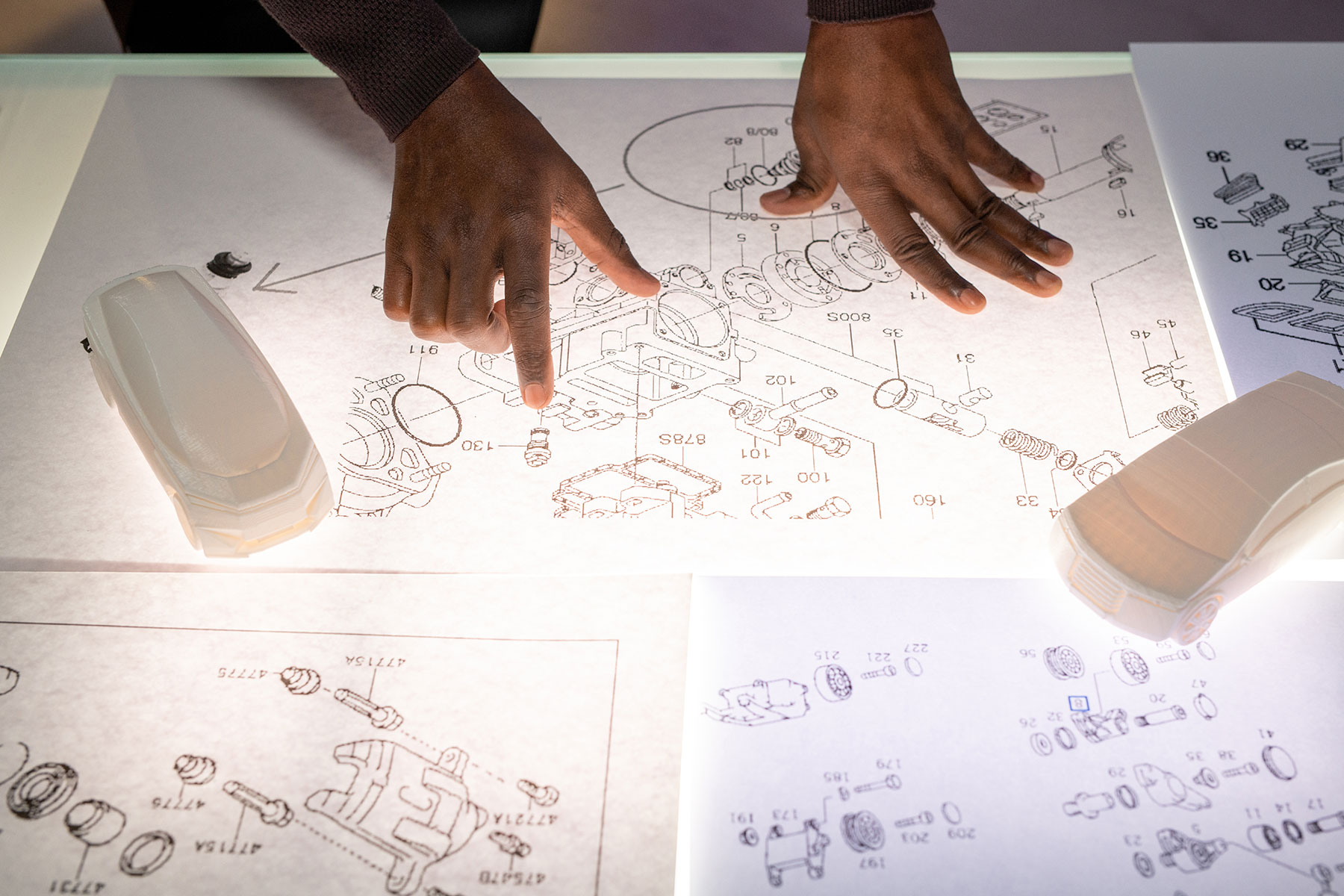
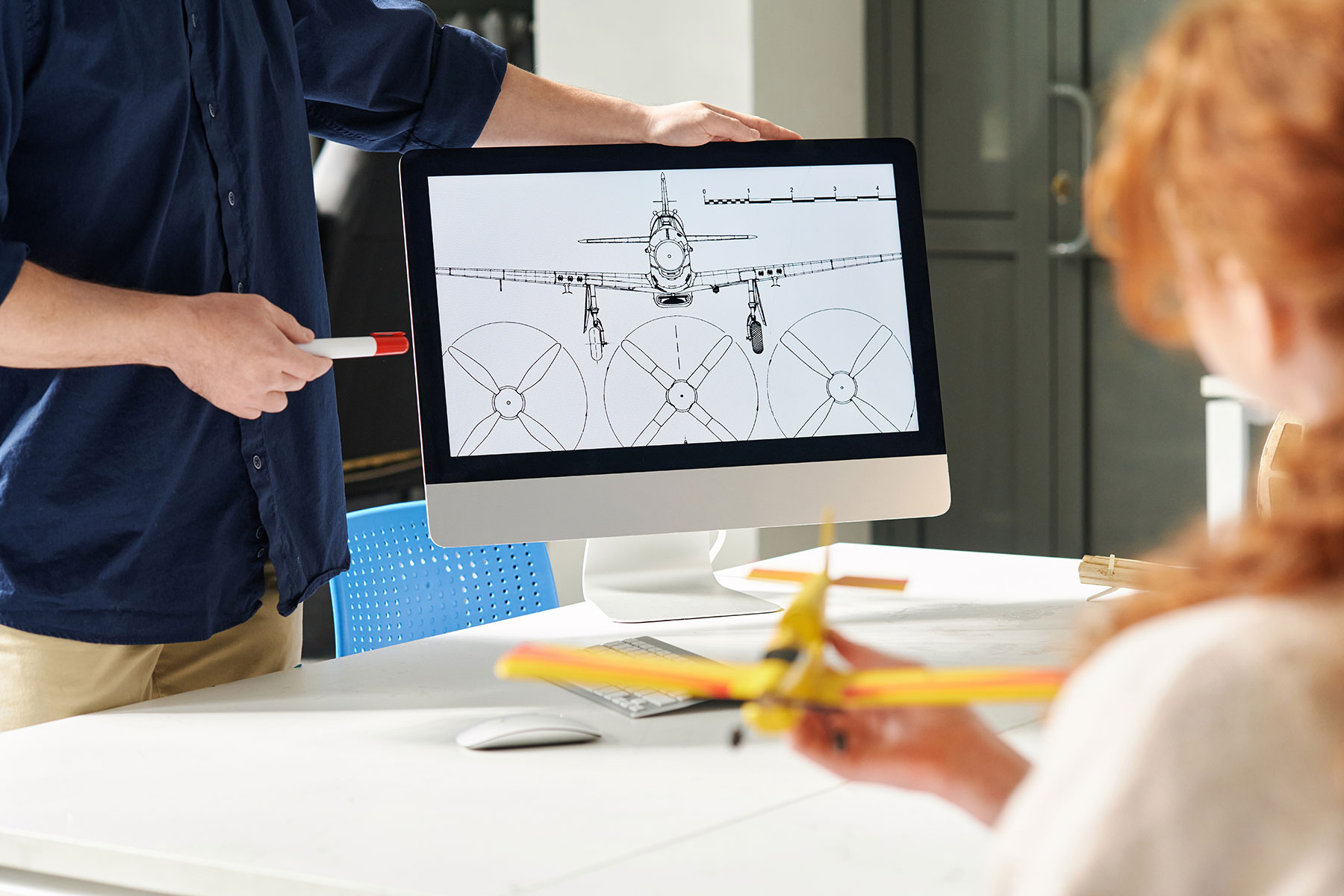
Mechanical Design & Component Integration focuses on ensuring that all mechanical parts and components of a product function seamlessly together. During this phase, engineers refine the product’s mechanical systems, taking into account factors like motion, load-bearing, and durability. Each component is carefully designed and integrated into the overall structure to guarantee optimal performance and reliability.
This step also involves planning for ease of assembly, maintenance, and repair. Attention to mechanical precision and how individual components interact is key to creating a product that not only meets functional requirements but also offers longevity and efficiency. The result is a well-engineered product ready for real-world application.

Design for Manufacturing (DFM) & Assembly (DFA)
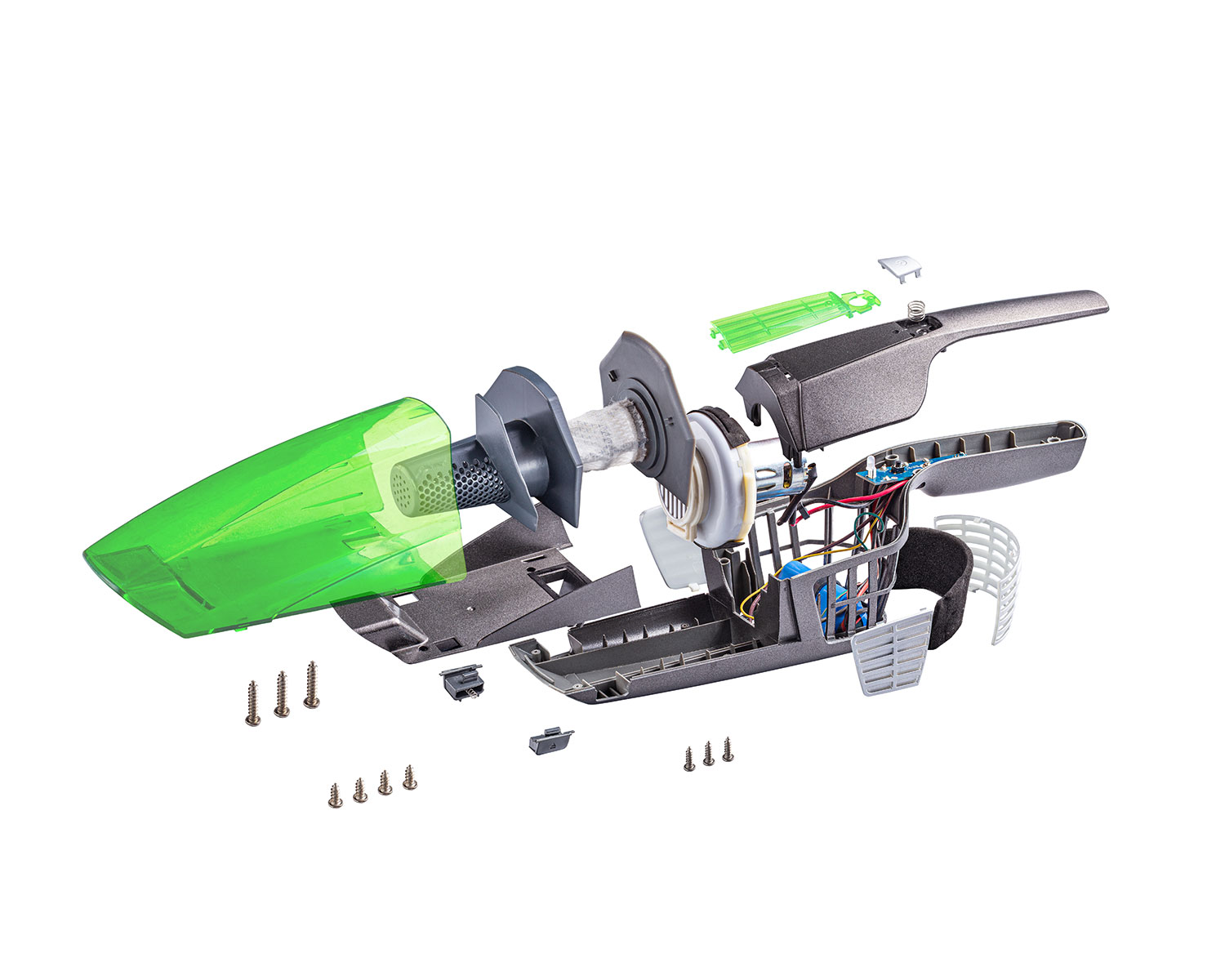
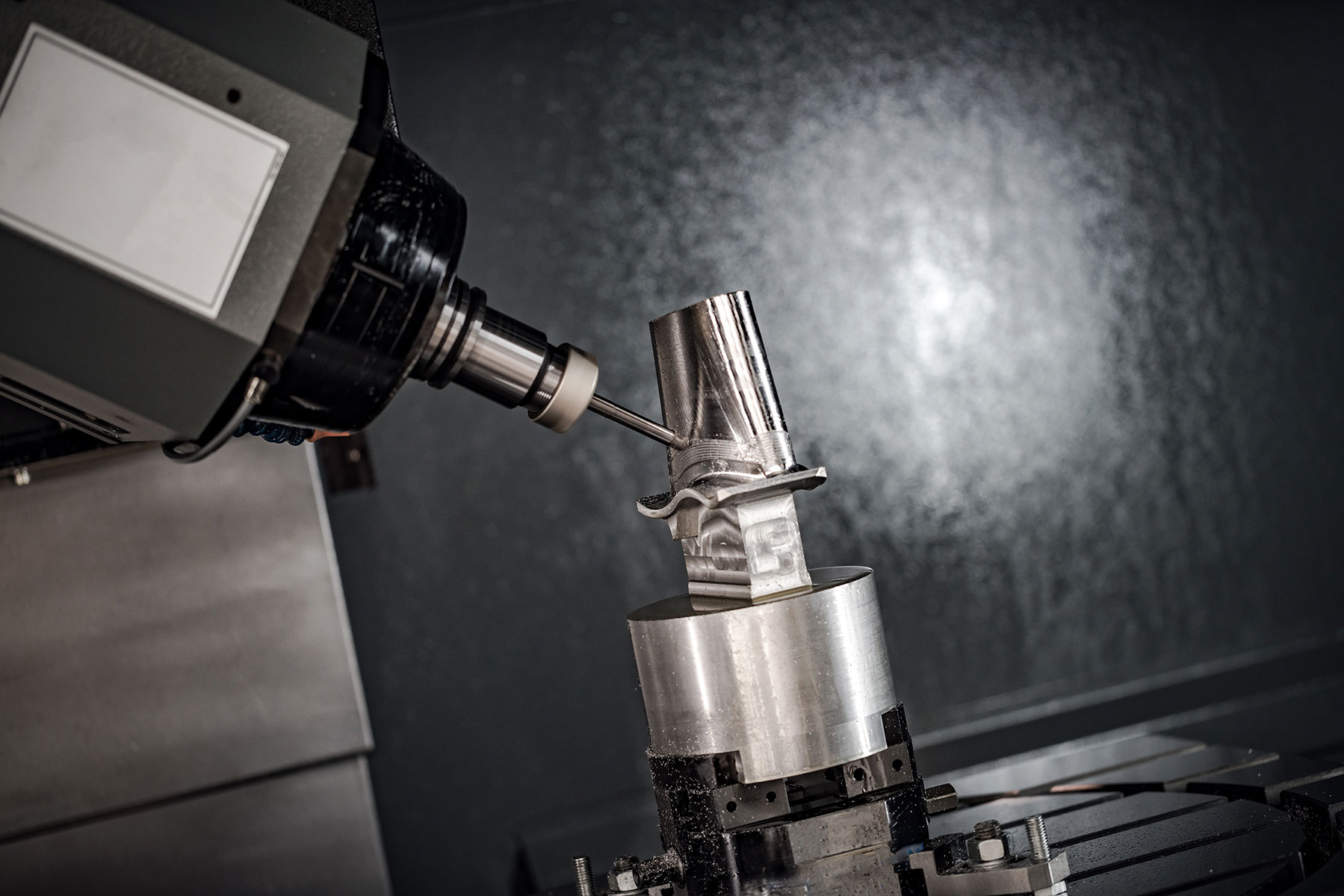
Design for Manufacturing (DFM) & Assembly (DFA) is a vital phase that focuses on optimizing the product design for efficient production and assembly. This process evaluates the design with a keen eye on manufacturability, identifying potential challenges and suggesting modifications that facilitate easier fabrication. By simplifying complex components and reducing the number of parts, DFM ensures cost-effective production without compromising quality.
Meanwhile, DFA emphasizes the ease of assembly, allowing for quicker and more reliable assembly processes, which minimizes labor costs and time. Together, DFM and DFA streamline the transition from design to production, enhancing overall product viability and ensuring that it meets market demands efficiently.



Detailed Engineering Drawings
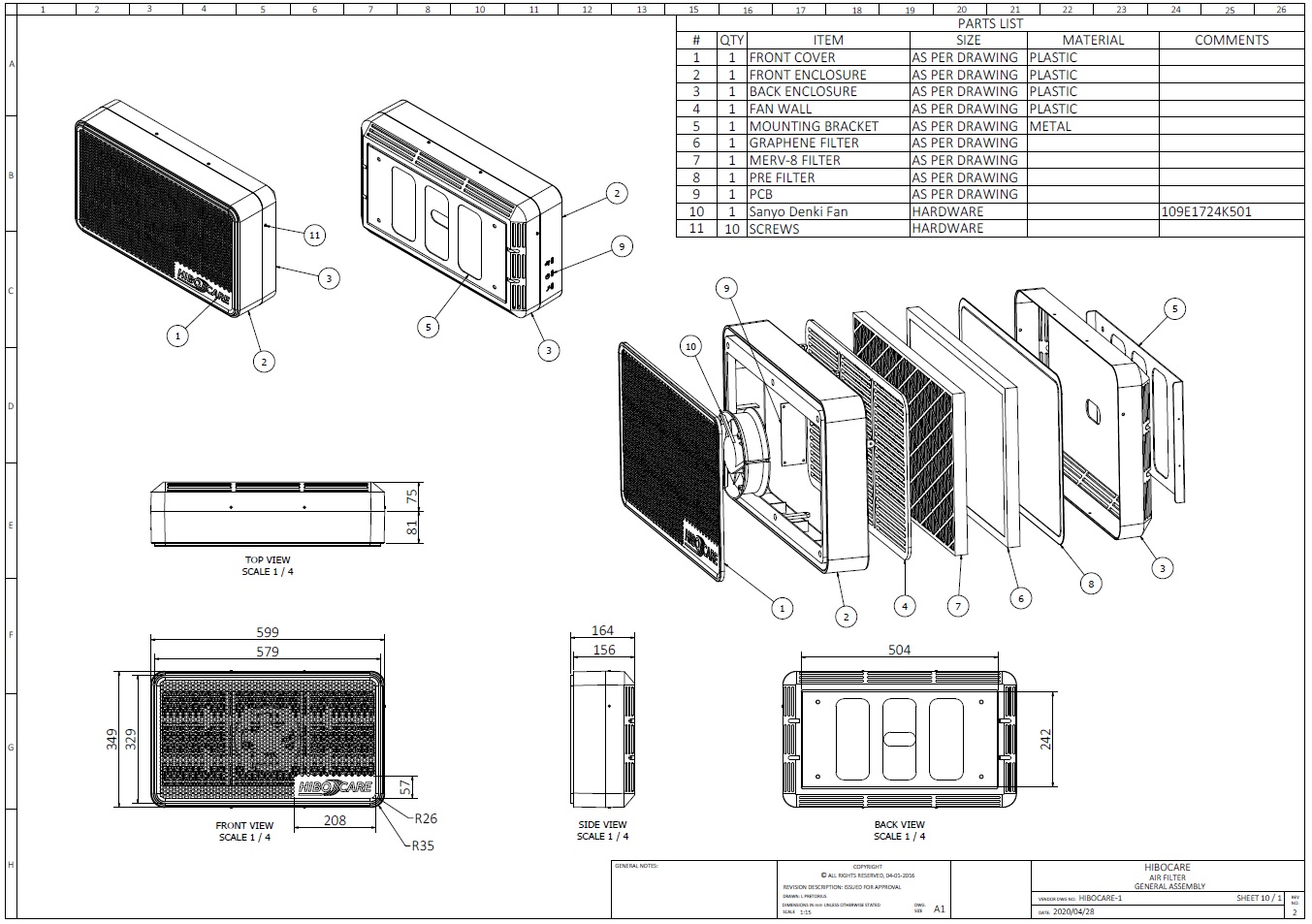
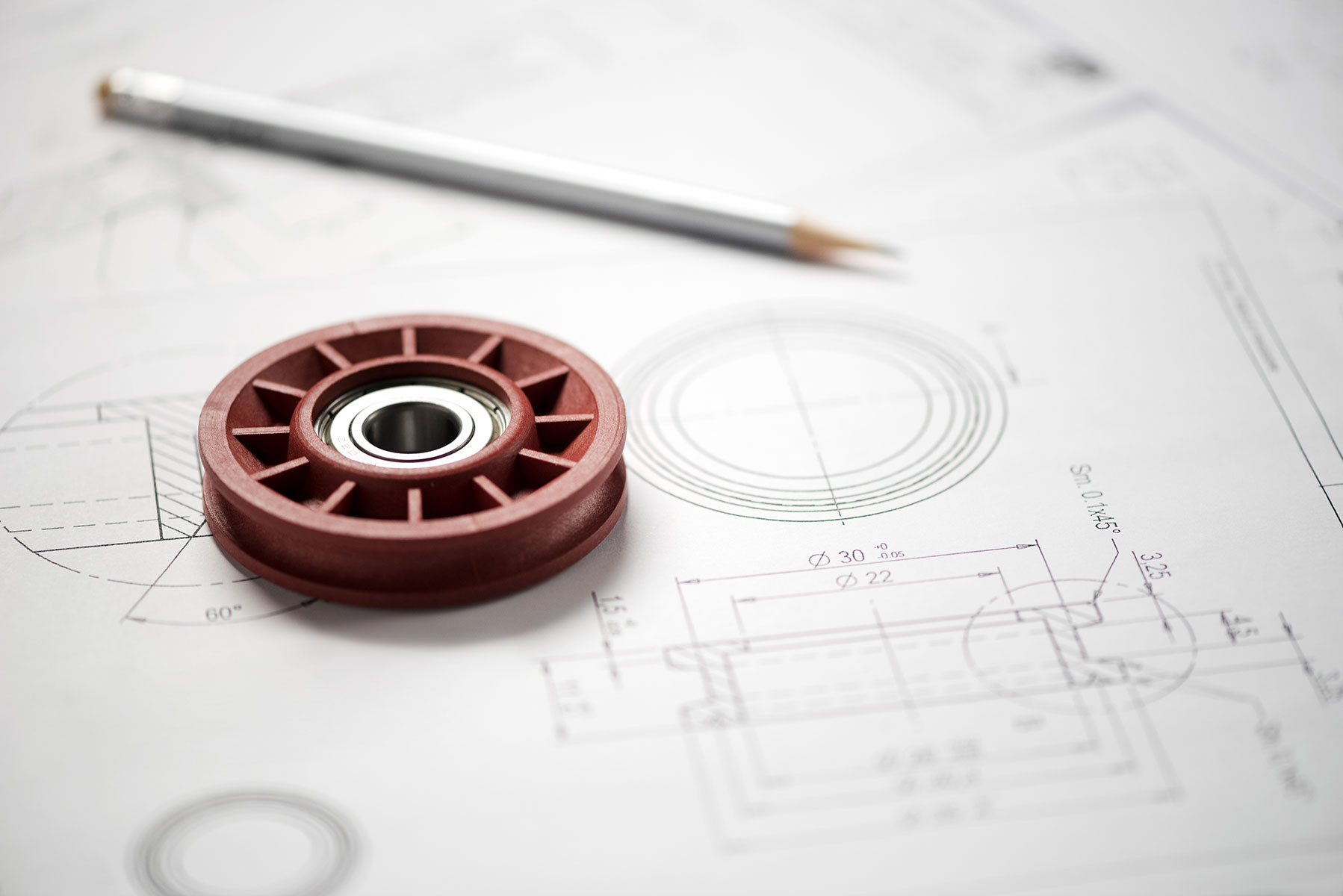
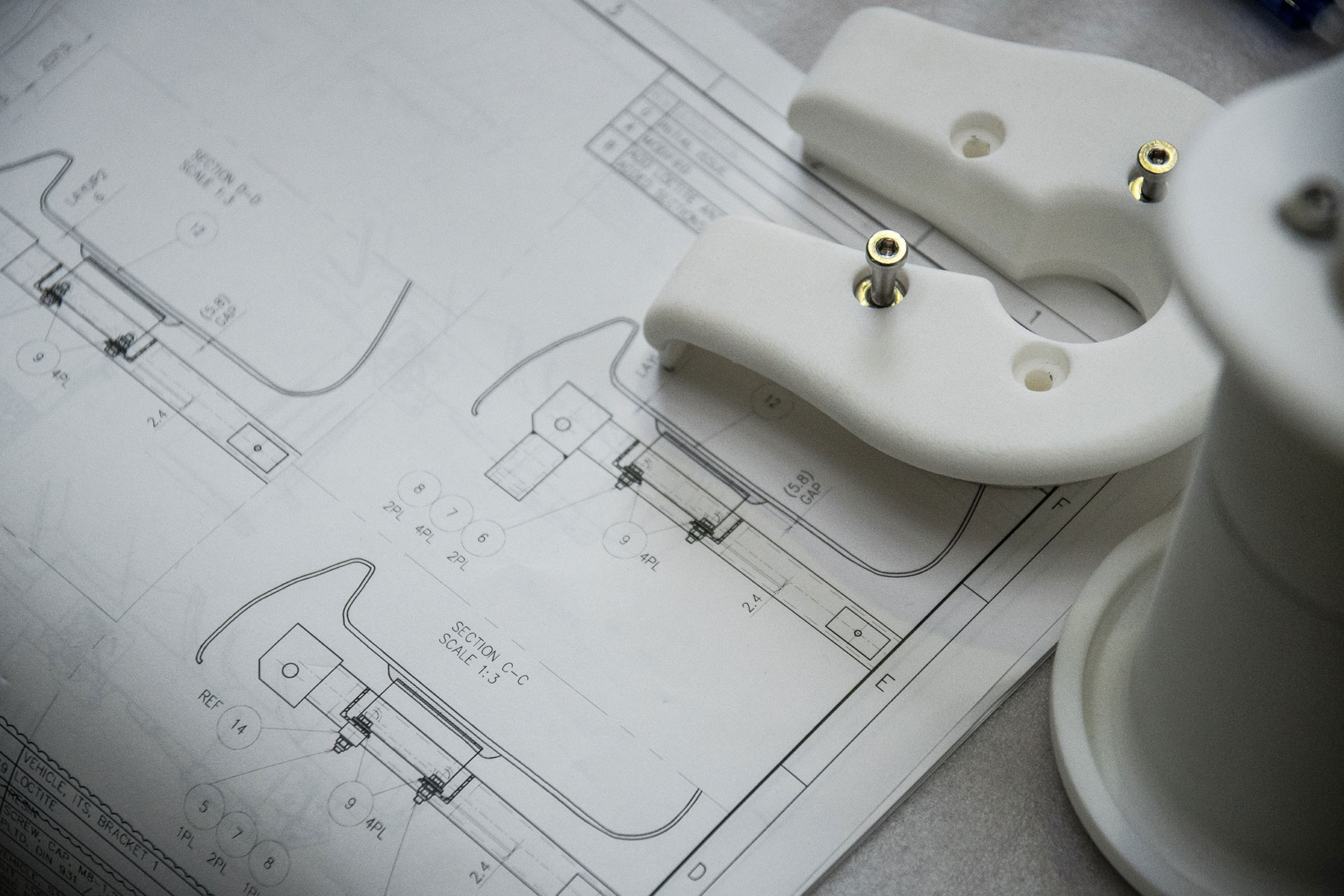
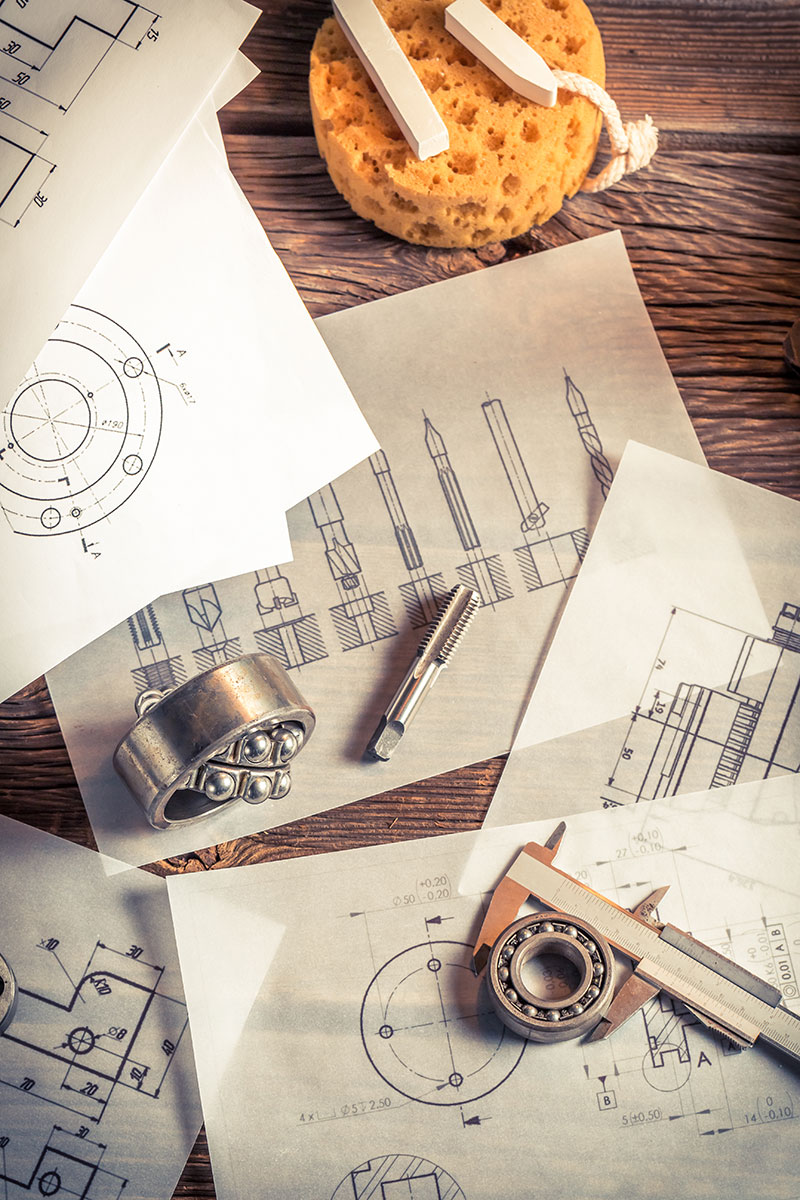
Detailed Engineering Drawings are essential technical documents that transform 3D CAD models into comprehensive, production-ready blueprints. These drawings contain all the critical information required for manufacturing, including precise dimensions, material specifications, assembly instructions, and tolerances. By creating these highly detailed technical documents, businesses ensure that manufacturers have the necessary guidance to produce the product to exact standards.
Engineering drawings serve as a critical communication tool between design and manufacturing, reducing errors, enhancing quality control, and ensuring that the product is both functional and feasible. They are the backbone of a smooth transition from digital concept to physical reality.