Prototyping & Manufacturing Support
Concept Prototyping & 3D Model Refinement
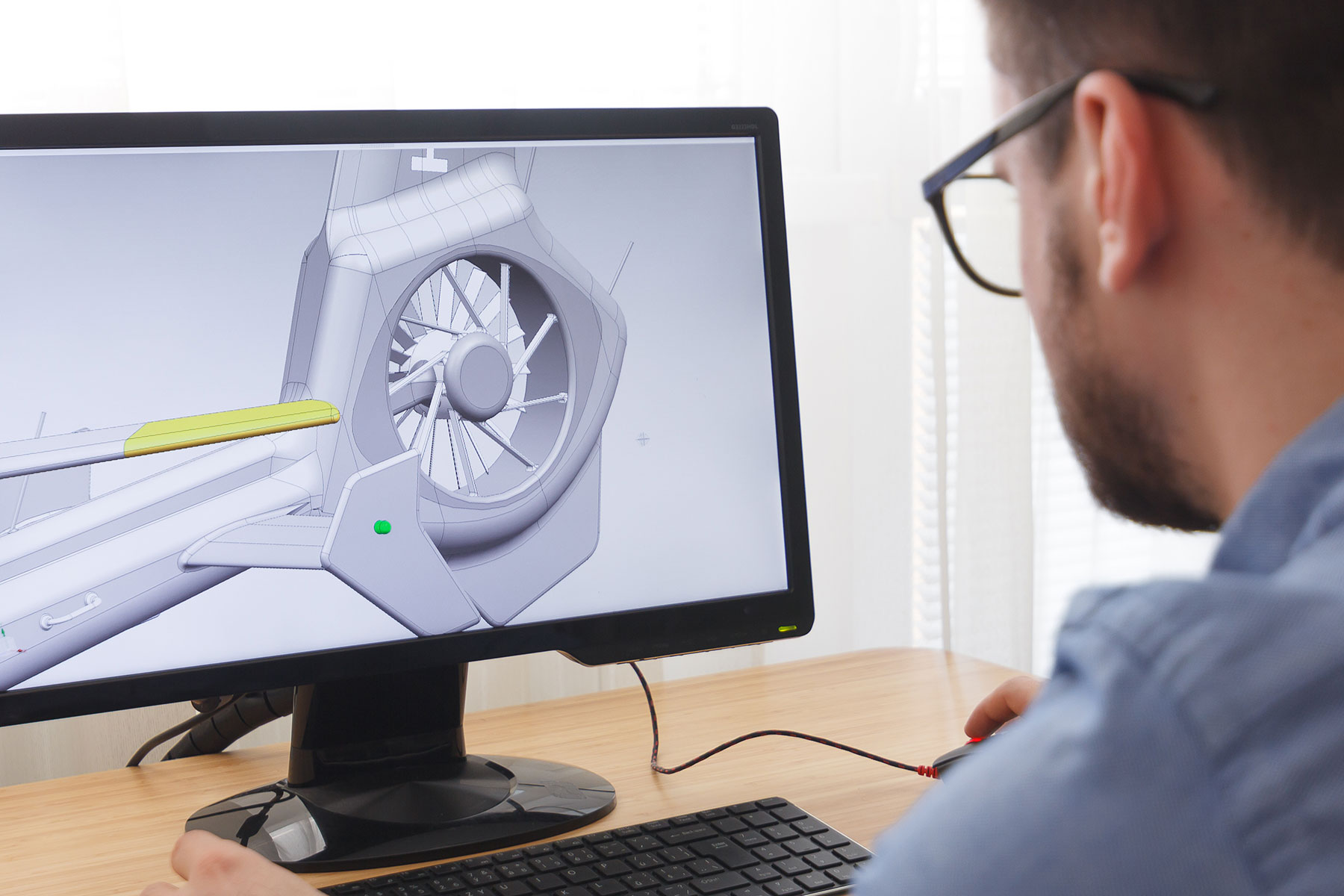
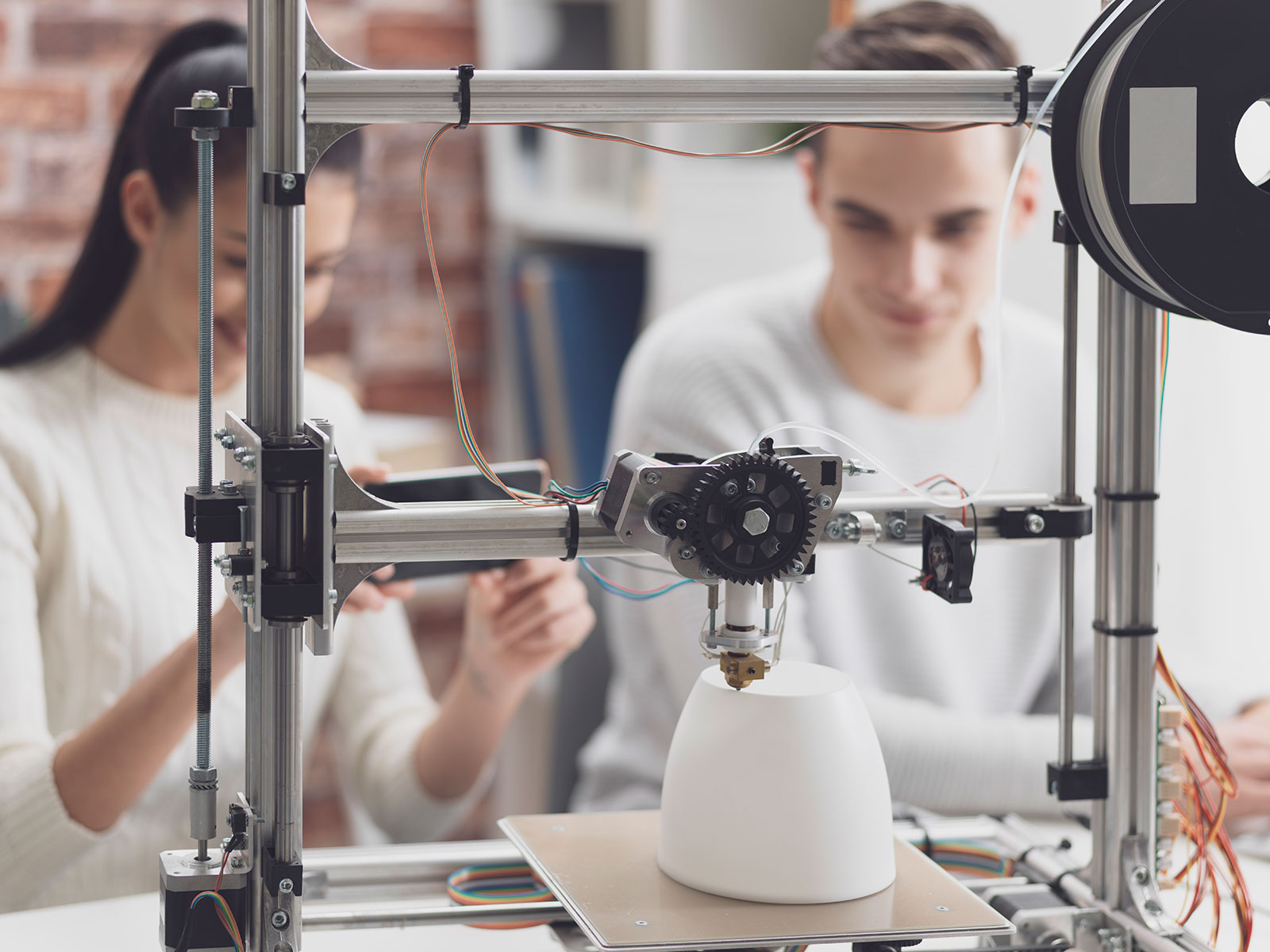
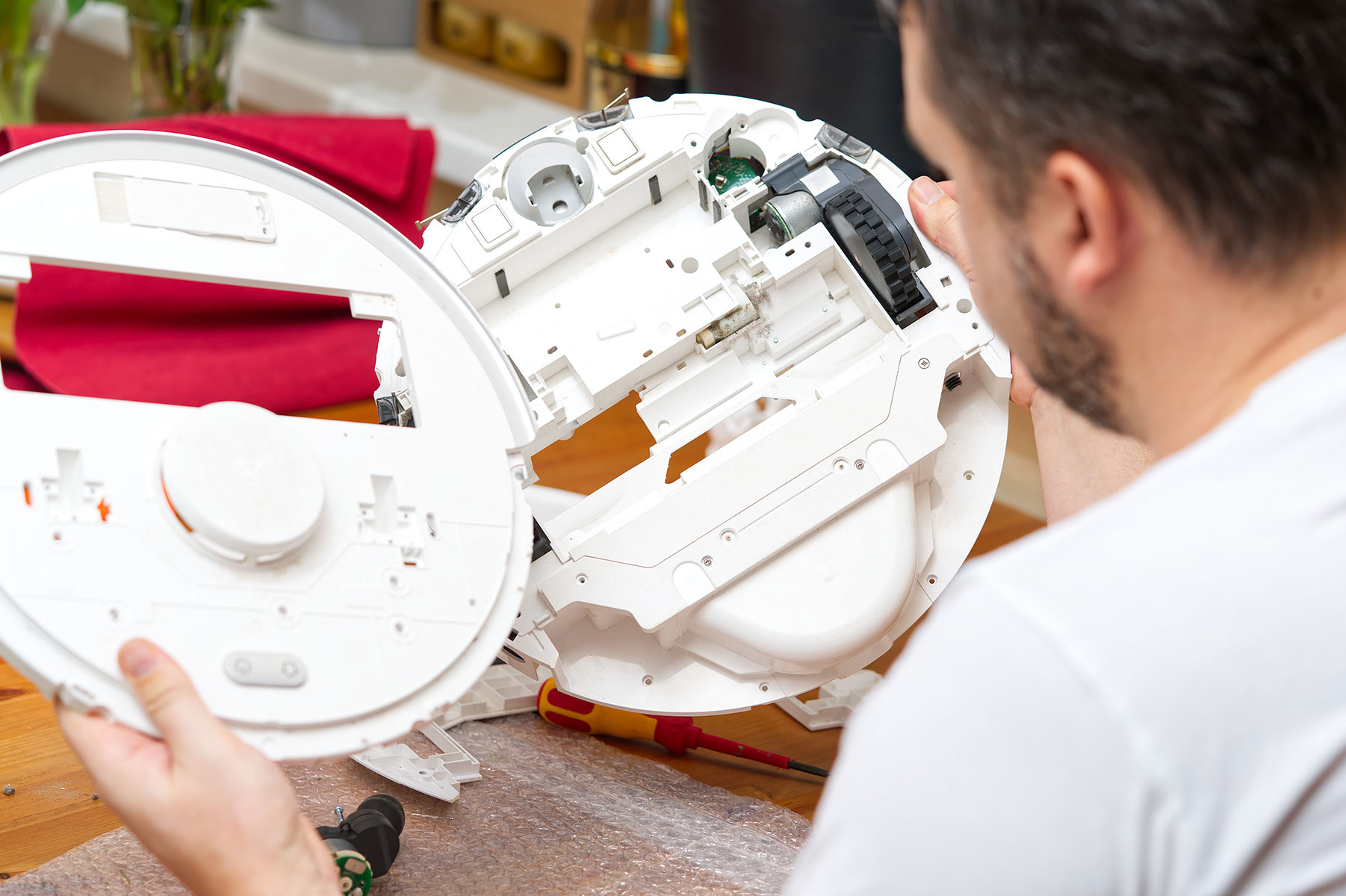
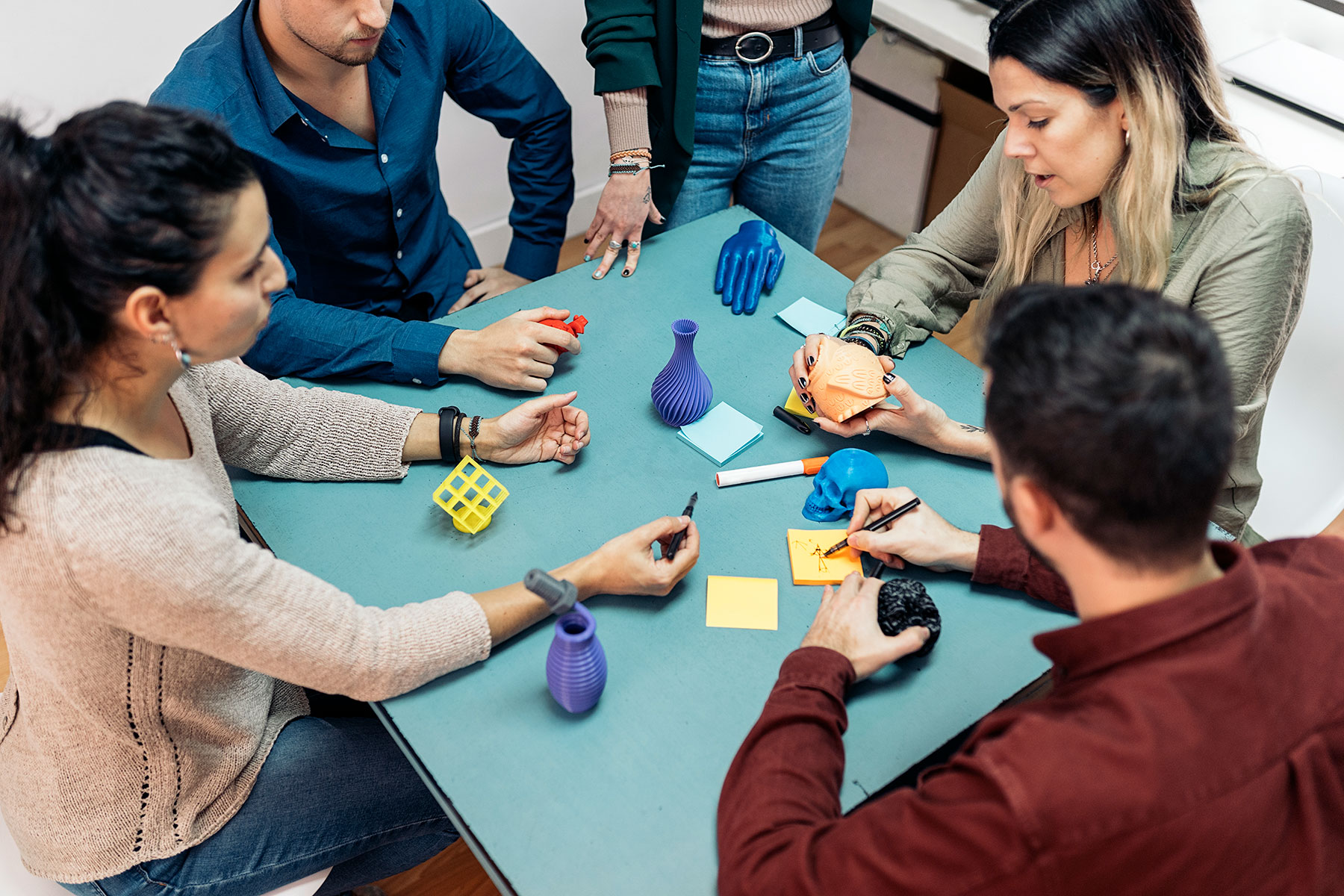
Concept Prototyping & 3D Model Refinement is where refined digital models are turned into physical prototypes. This phase involves adjusting the 3D model to meet functional and aesthetic requirements before producing a prototype using 3D printing or CNC machining.
The physical prototype allows early-stage validation of the design, helping to identify issues related to aesthetics, ergonomics, and functionality. By addressing potential problems early, this phase minimizes revisions later in the process and ensures a smooth transition into production. Concept prototyping helps refine the final design, ensuring it meets performance expectations and is ready for more advanced stages of development.
Material Selection & Manufacturing Feasibility
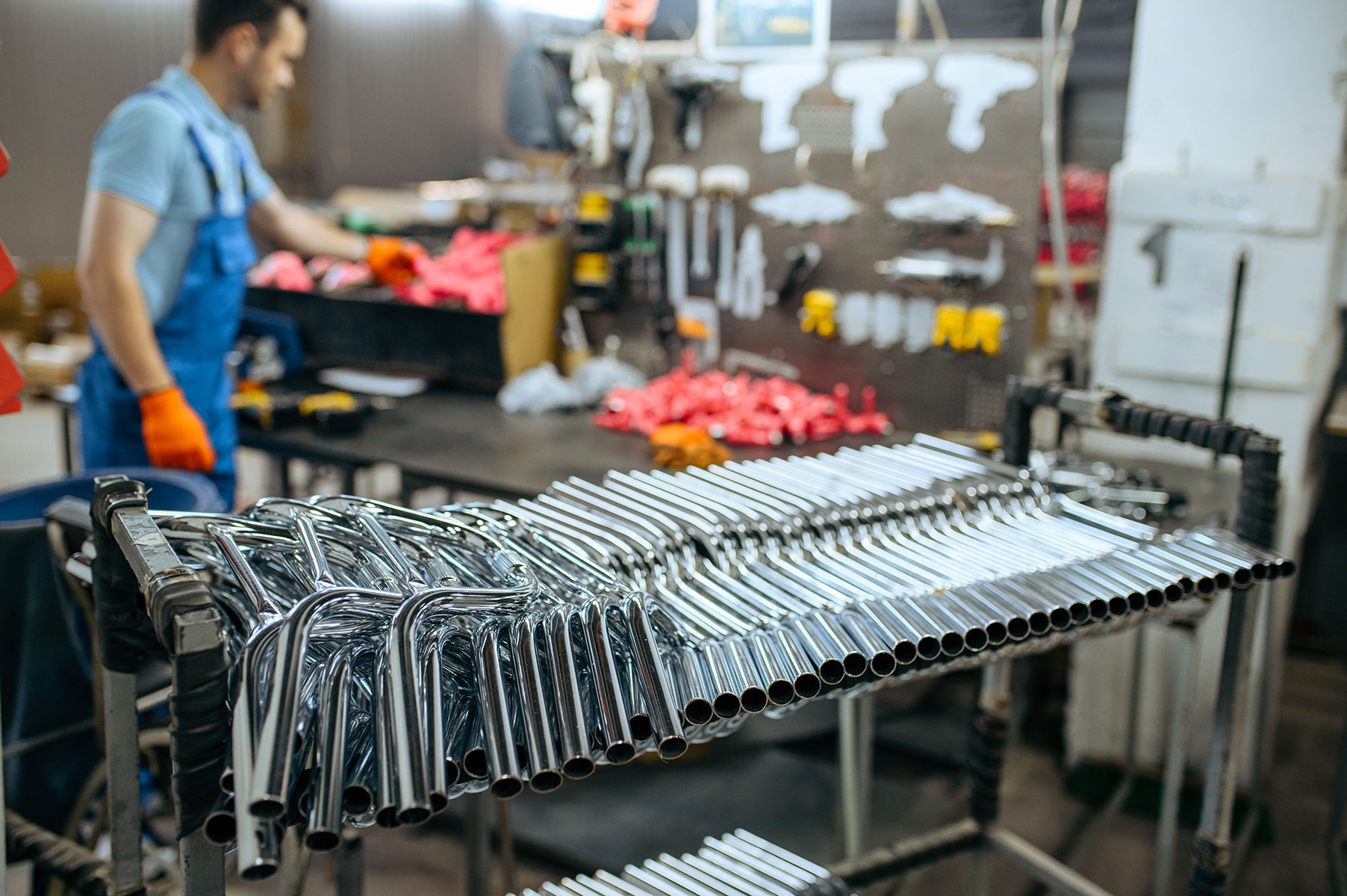
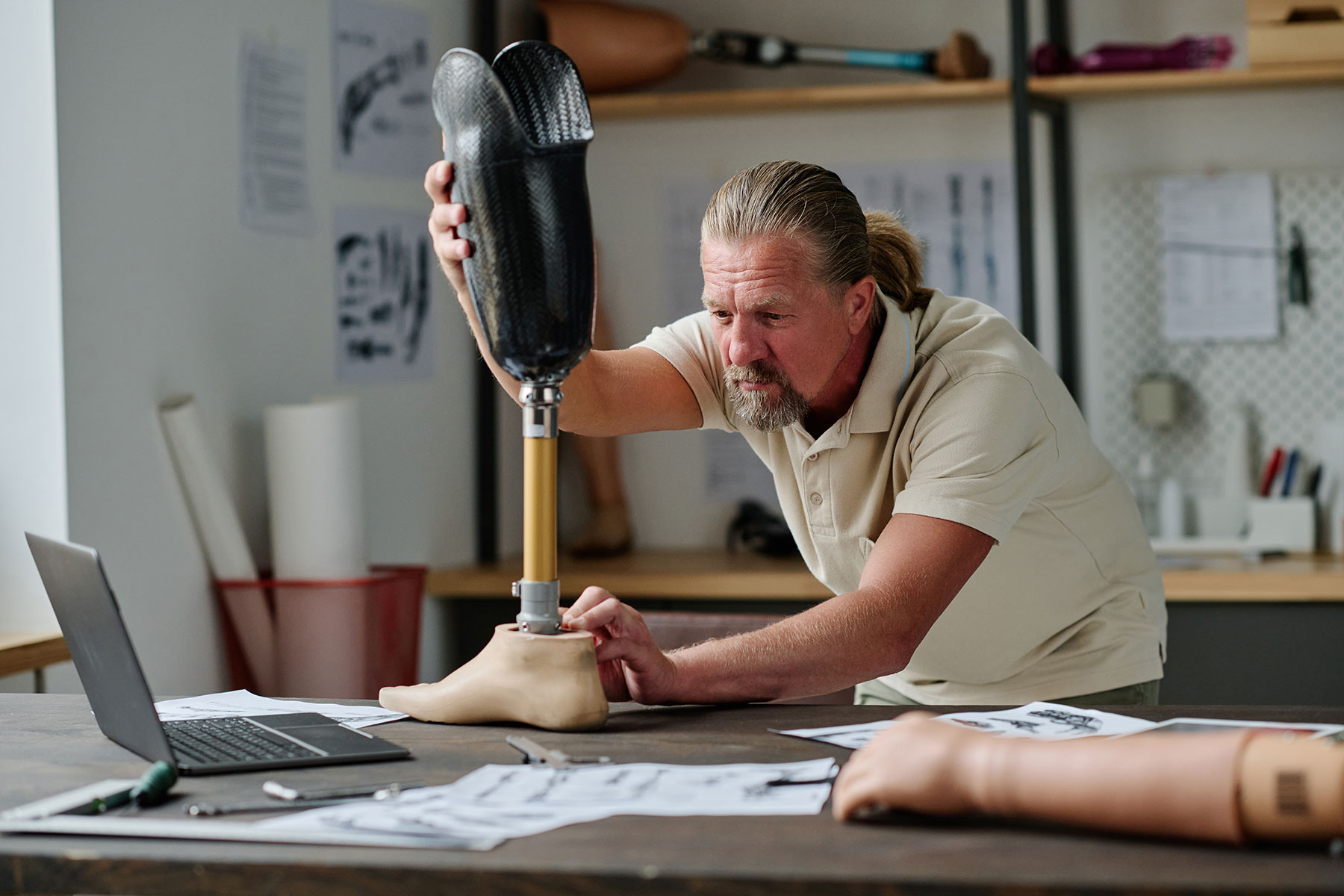
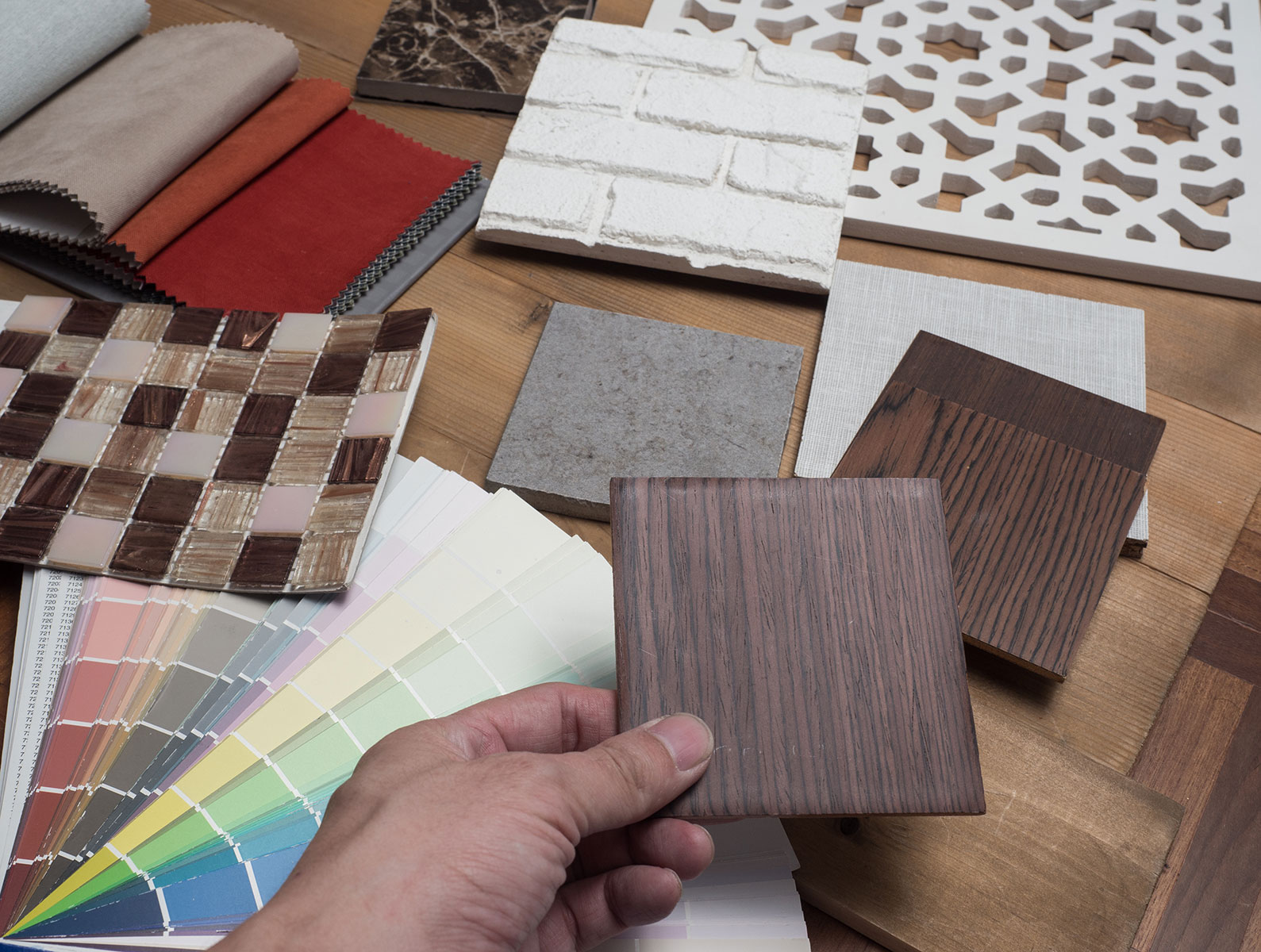
Material Selection & Manufacturing Feasibility is a critical phase that ensures the chosen materials and production methods align with the design and functional requirements of the product. During this stage, designers evaluate various materials based on factors such as cost, availability, performance, and sustainability. This careful selection process ensures that the materials will withstand the intended use while remaining within budget constraints.
Additionally, manufacturing feasibility assessments are conducted to determine whether the selected materials and design can be effectively produced using existing manufacturing processes. By aligning material choices with production capabilities, this phase mitigates risks, reduces costs, and enhances the overall success of the product development journey.


Prototype Evaluation & Iteration
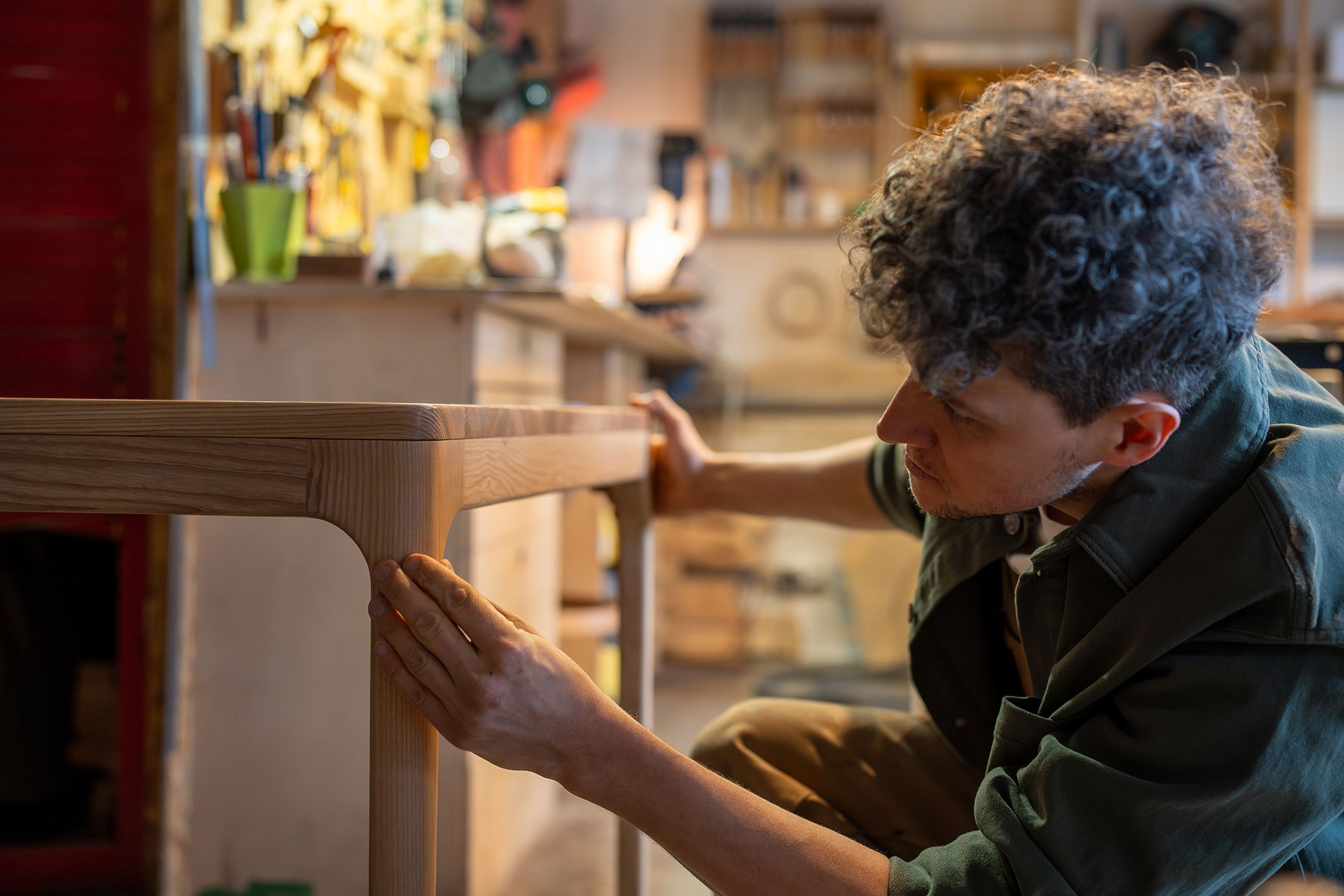
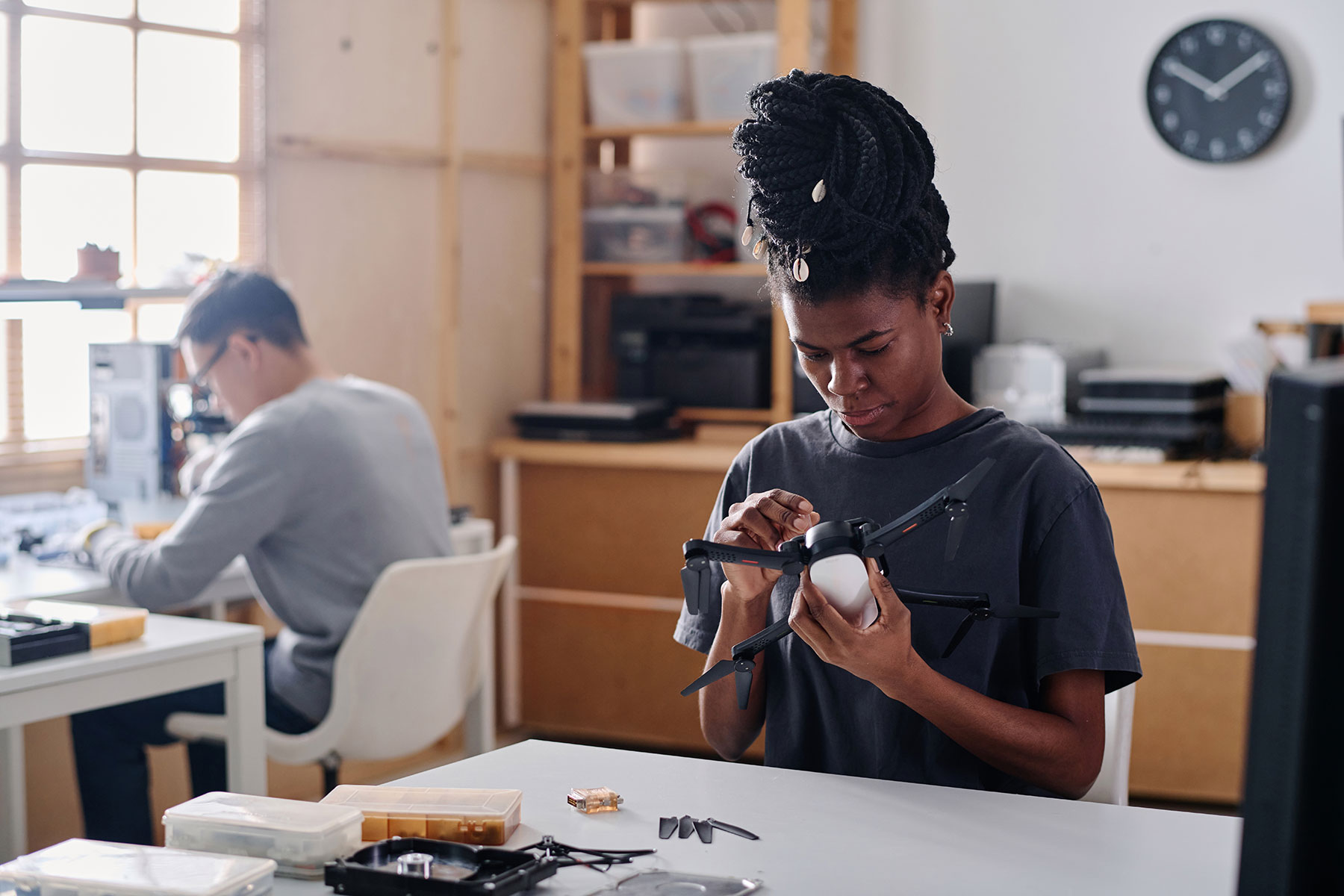
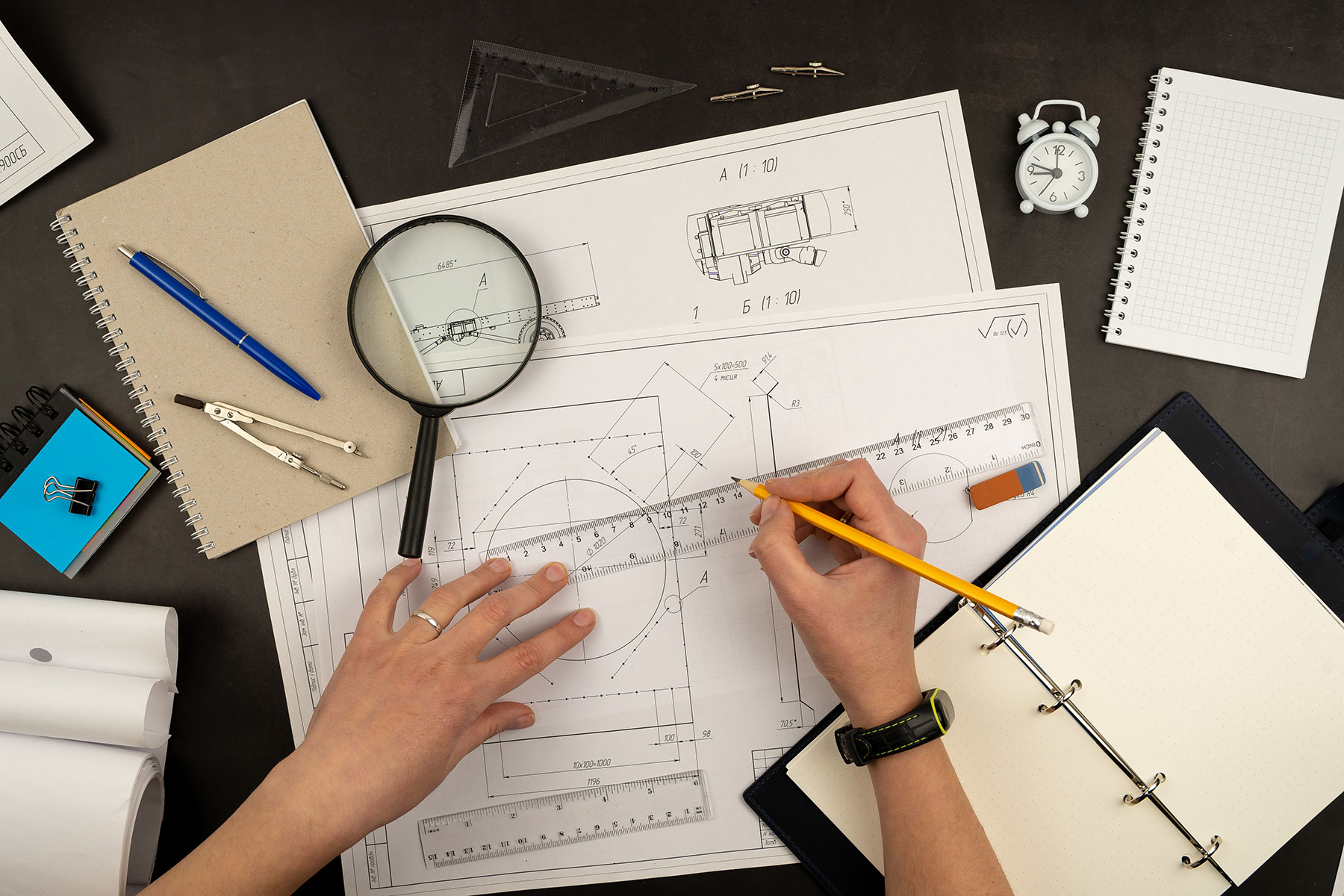
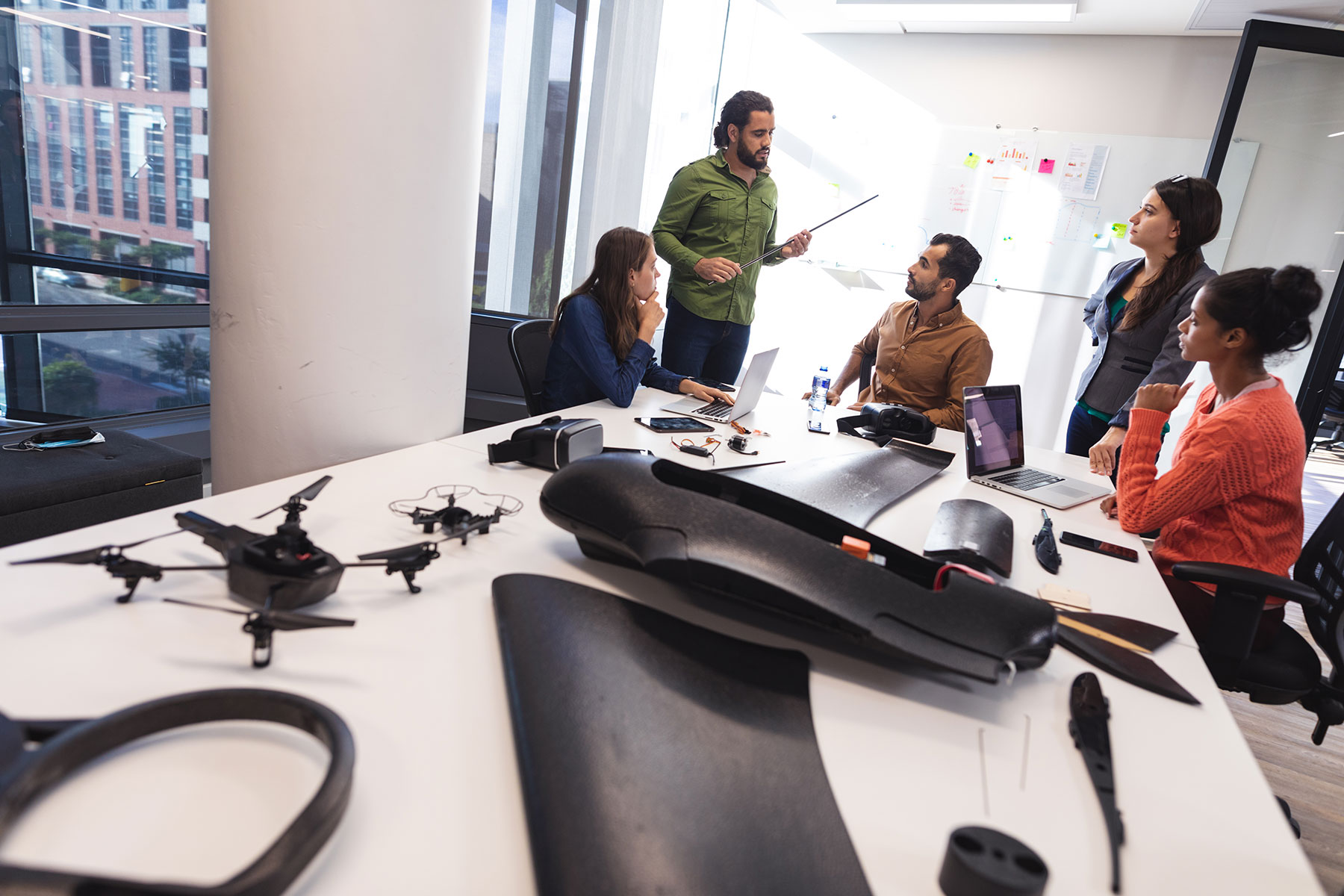
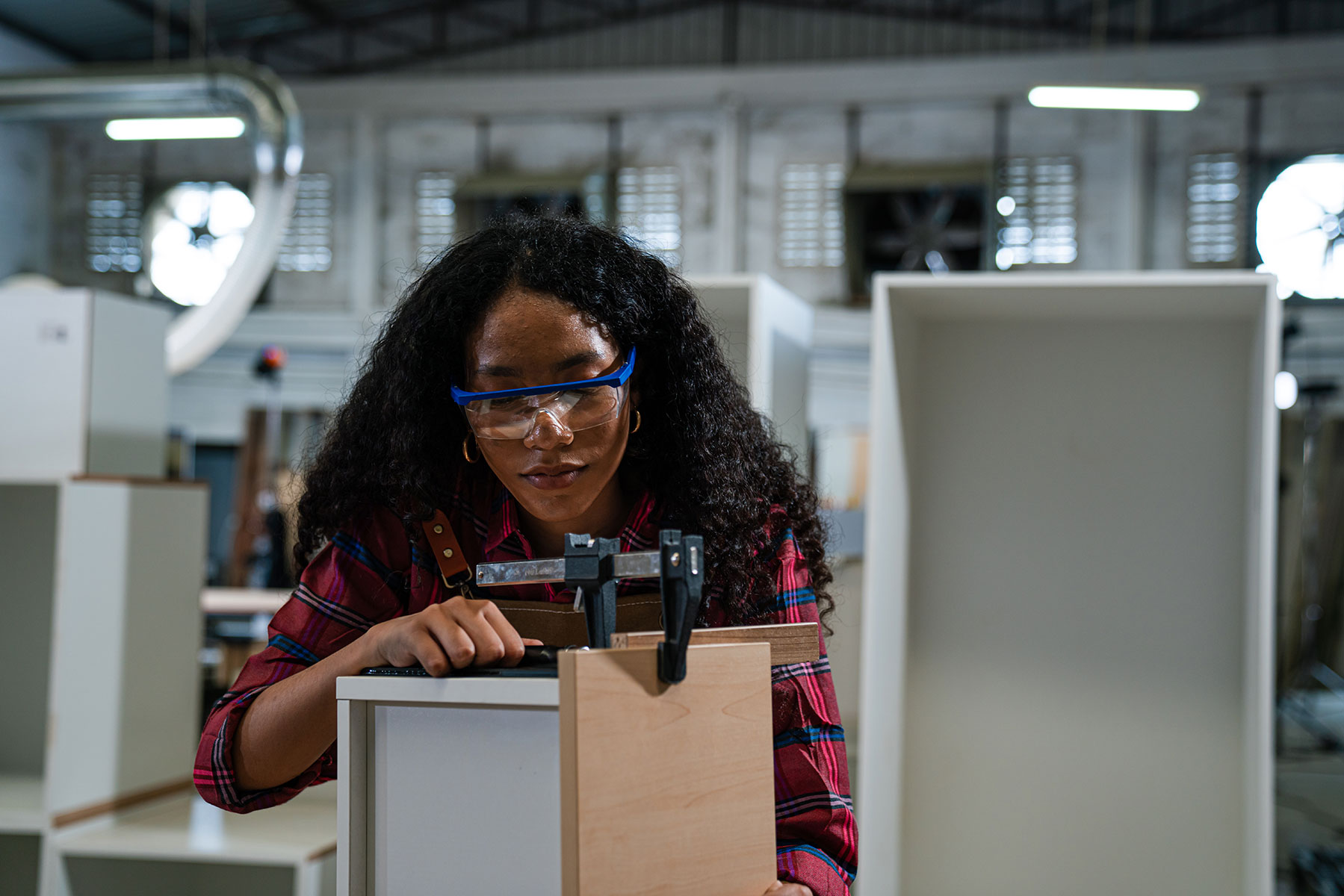
Prototyping & Product Validation is a critical phase where product ideas come to life as physical prototypes. This step allows designers and stakeholders to evaluate the product’s form, function, and performance in real-world scenarios. Through prototypes, businesses can test usability, identify design flaws, and make necessary adjustments before moving into full-scale production.
Product validation ensures that the final product meets all functional requirements and aligns with the original design intent. By refining the prototype, businesses minimize costly errors in later stages, ensuring a smoother transition to manufacturing and a product that is market-ready and optimized for performance.
Pre-Production & Manufacturing Liaison
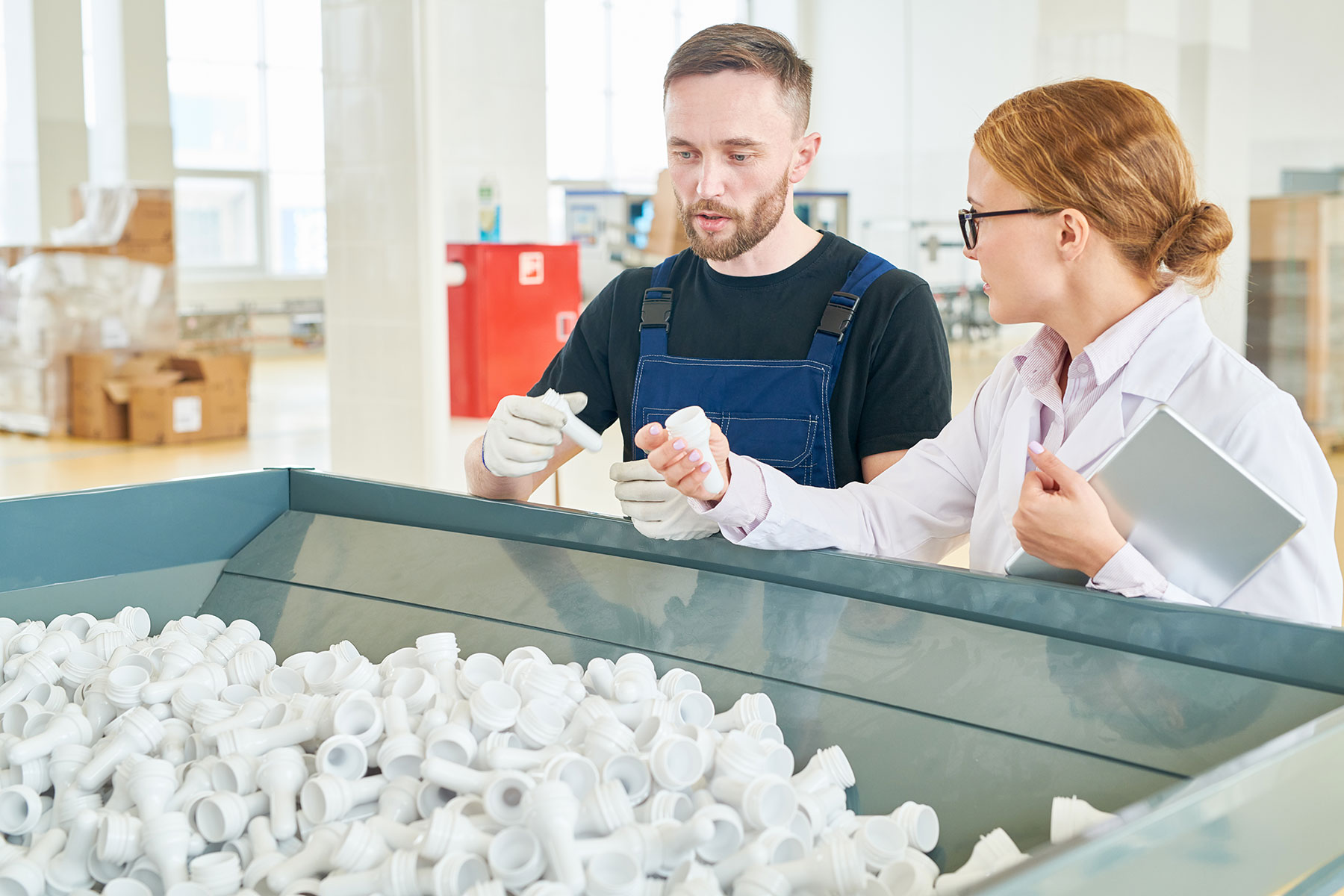
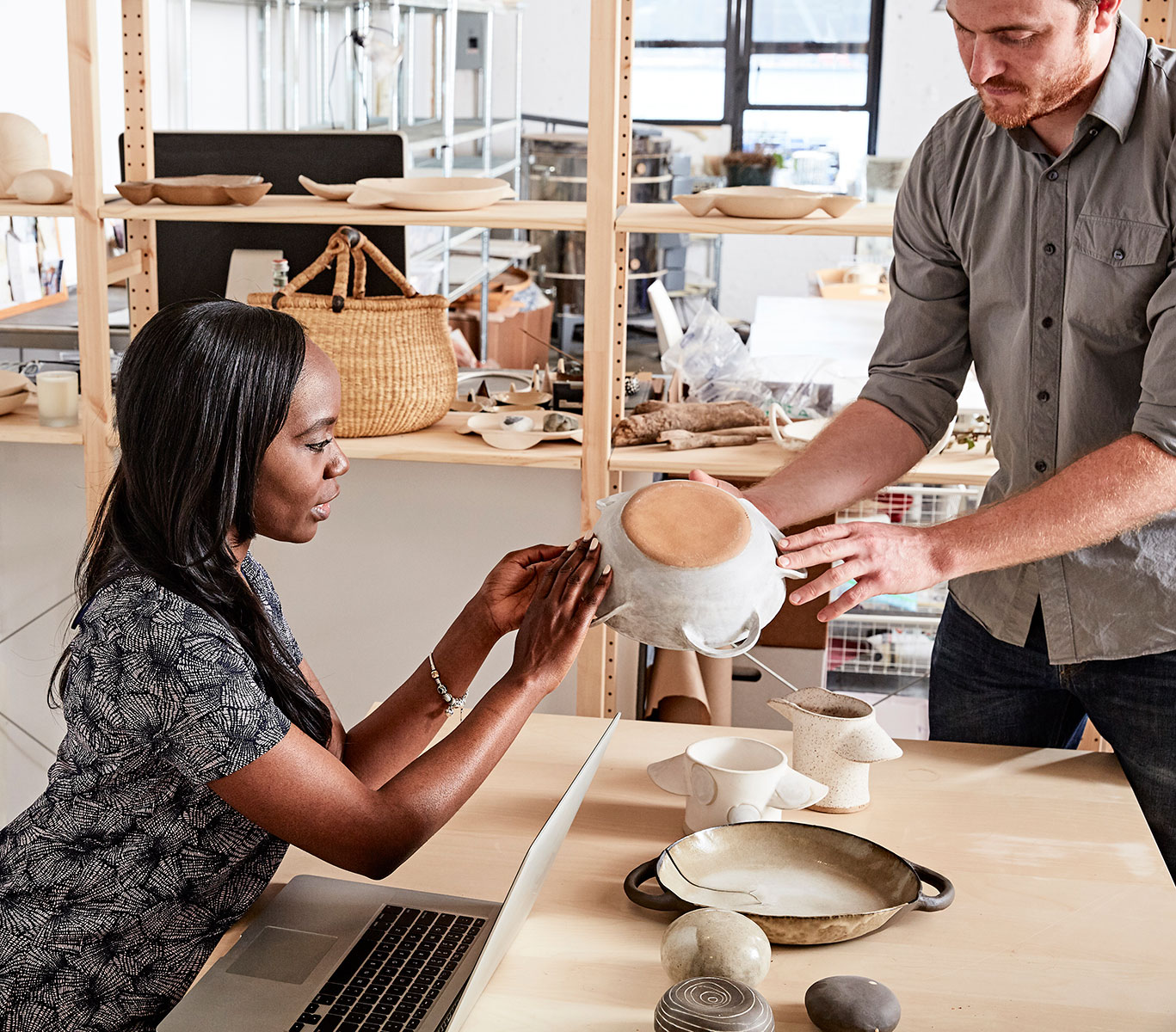
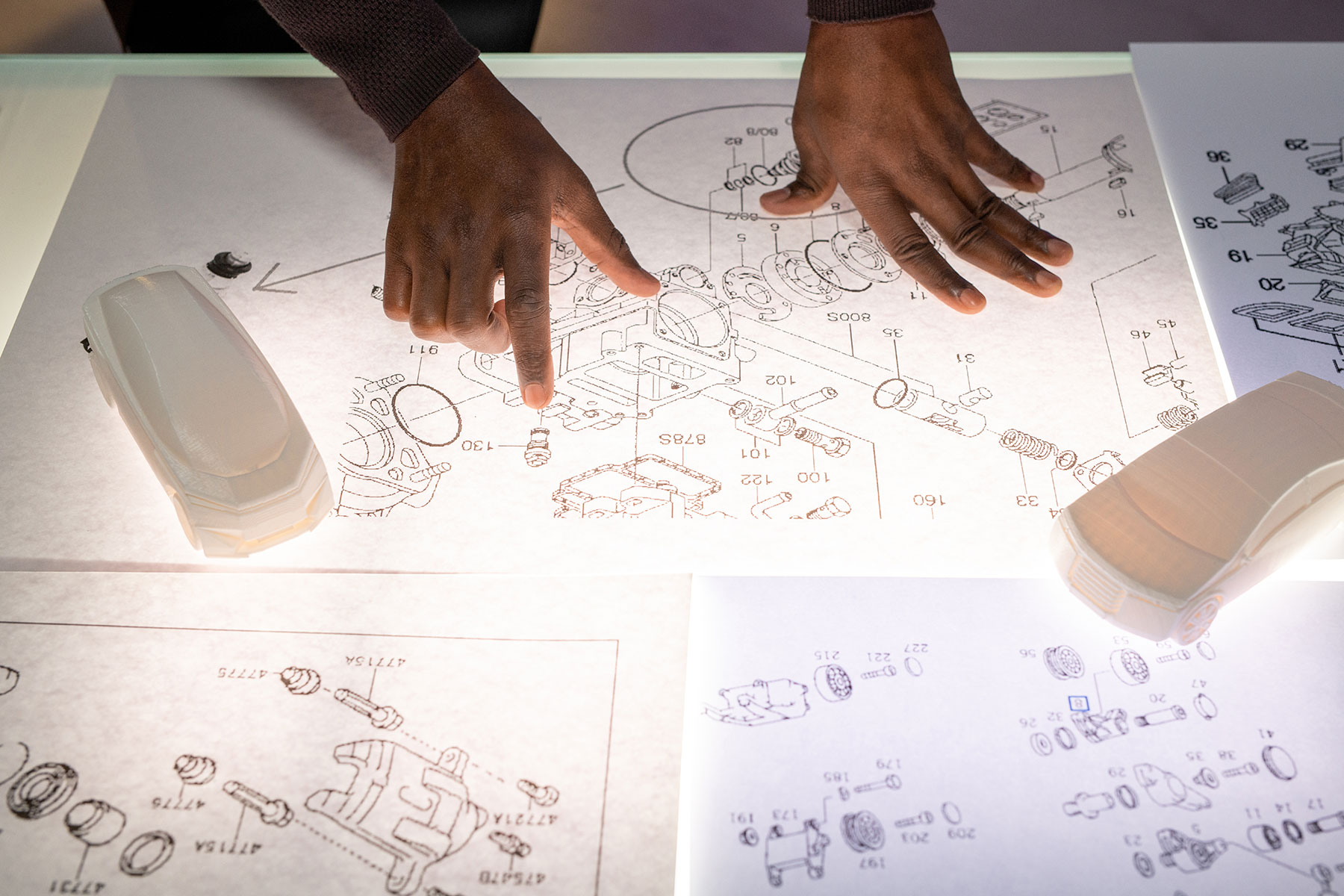
Pre-Production & Manufacturing Liaison is a crucial phase that bridges the gap between design and production. This stage involves close collaboration with manufacturers to ensure that all design specifications are understood and can be accurately implemented. Designers work with production teams to address any potential challenges, clarify technical details, and provide necessary documentation.
This proactive communication helps streamline the production process, ensuring that timelines are met and quality standards are upheld. By facilitating a smooth transition from design to manufacturing, this phase minimizes the risk of costly delays and ensures that the final product is realized to the exact specifications and quality expected by the client.


Quality Assurance & Production Support
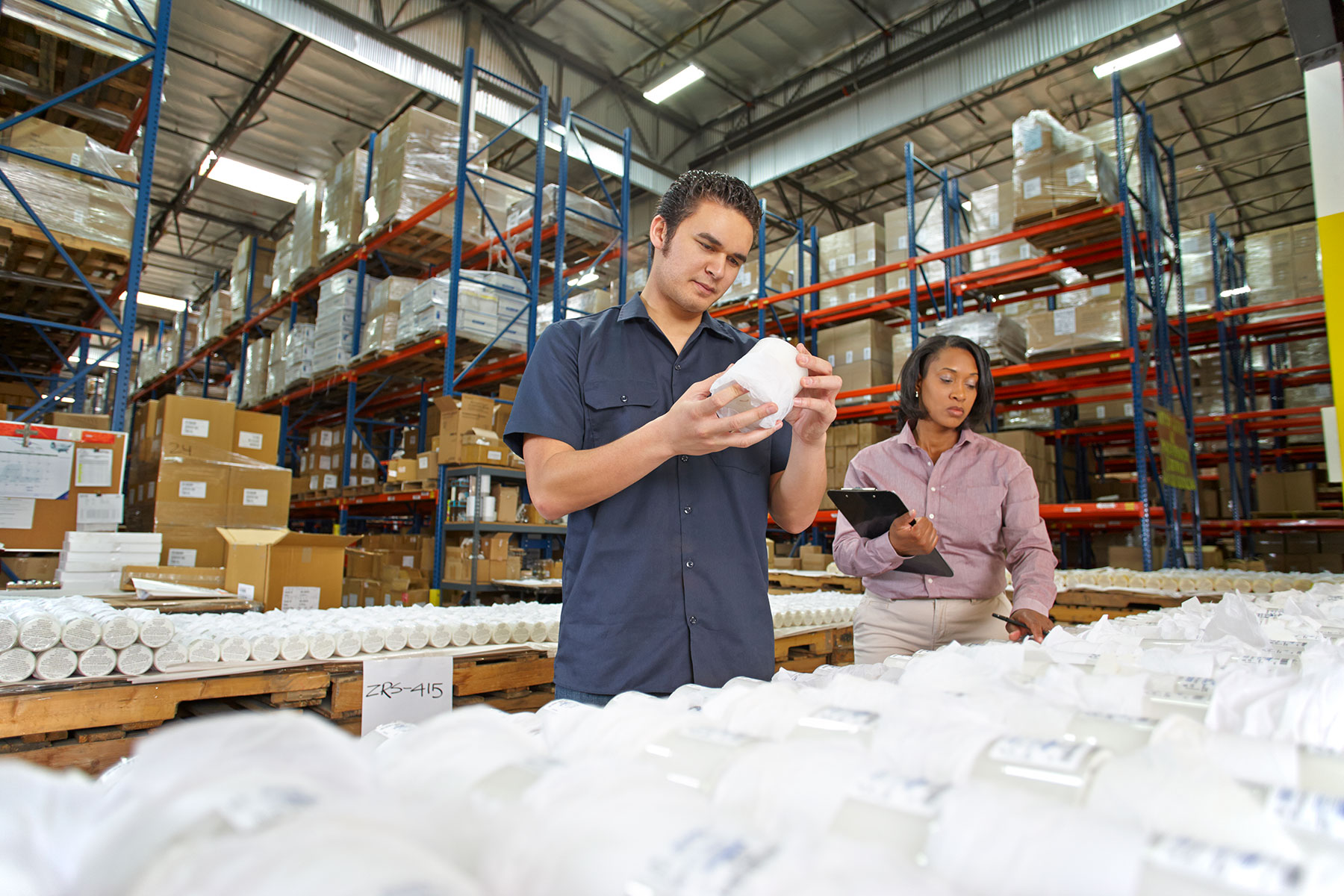
Quality Assurance & Production Support is a pivotal phase that ensures the final product meets established standards and specifications throughout the manufacturing process. During this stage, quality control measures are implemented to monitor production, identifying any defects or deviations from the design.
Regular inspections and testing are conducted to verify material integrity and functionality, ensuring that the product performs as intended. In addition, designers collaborate with manufacturers to provide ongoing support and guidance, addressing any production challenges that arise. This proactive approach helps maintain high-quality output, reduce waste, and ensure that the final product not only satisfies client expectations but also complies with industry standards.