Product Design & Development
Consultation & Briefing
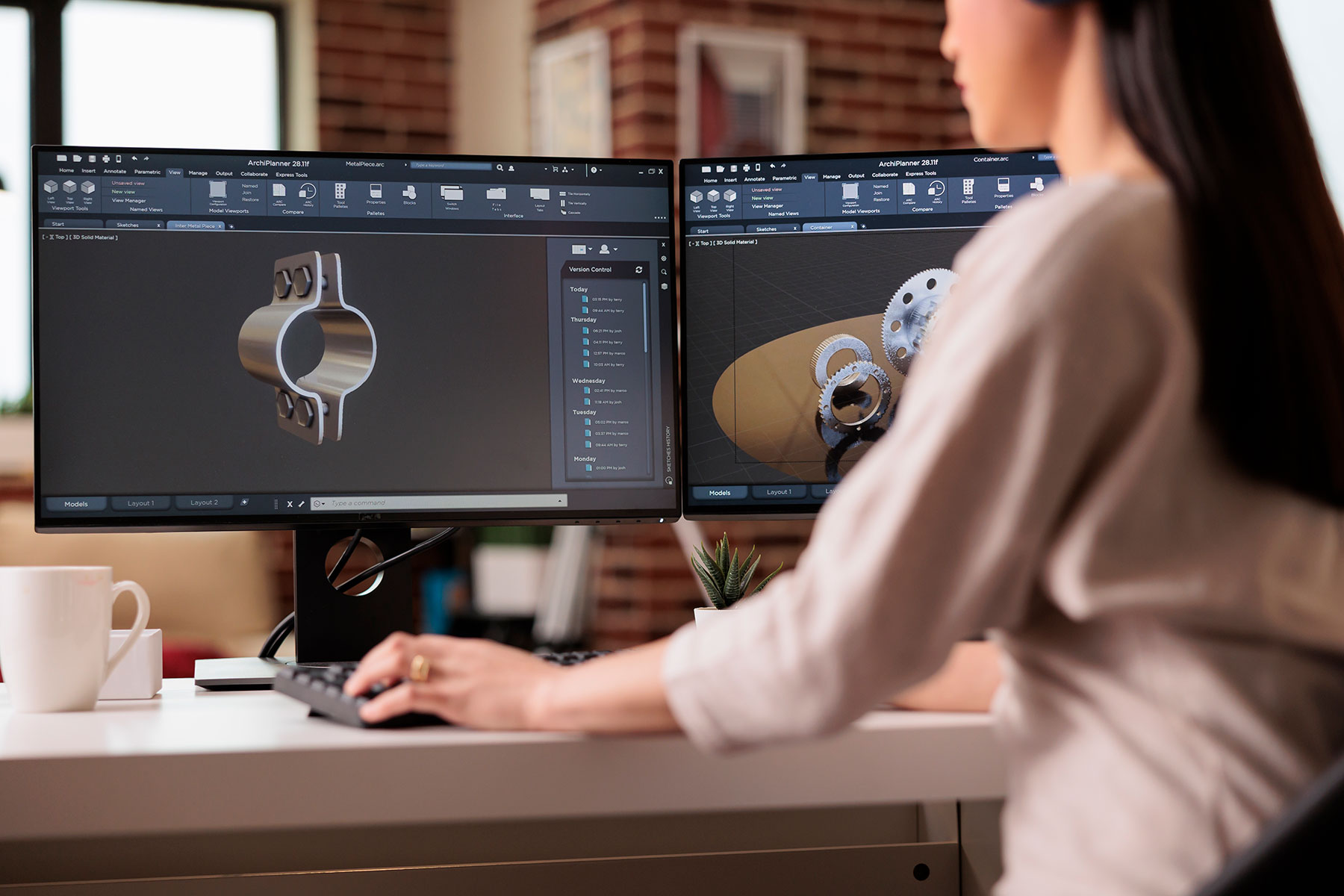
Consultation & Briefing is a foundational phase in the Product Design & Development process, where open dialogue with clients is established to capture their vision, goals, and requirements. This phase involves in-depth discussions that allow designers to fully understand the client's needs, target market, and desired functionalities. By gathering insights and clarifying objectives, designers create a comprehensive project brief that outlines the scope and expectations.
This thorough understanding ensures that subsequent design efforts are closely aligned with the client’s vision, minimizing misunderstandings and paving the way for a successful outcome. A well-executed consultation lays the groundwork for innovative and effective product solutions that resonate with both the client and their audience.



Market Research & Analysis
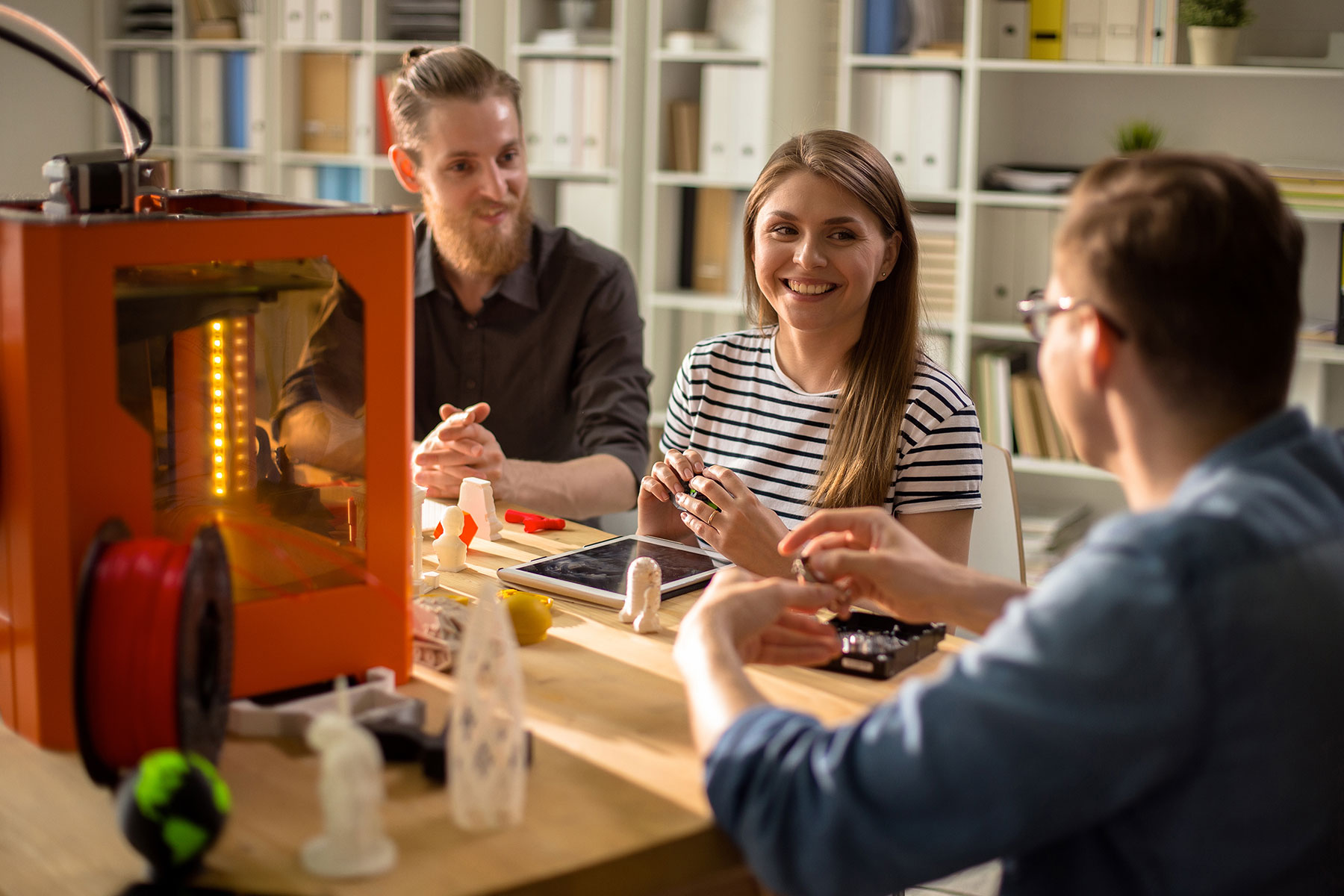
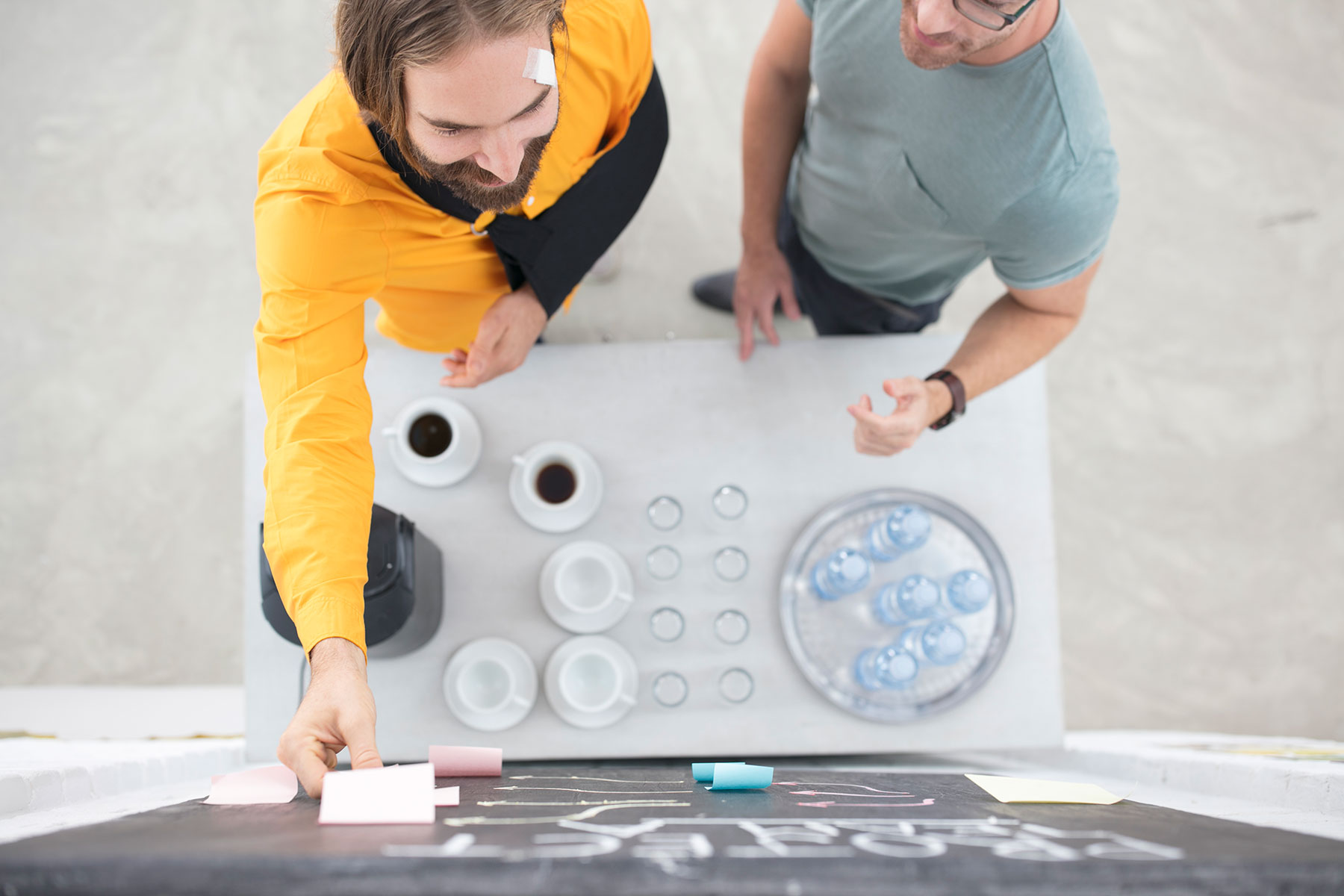
Market Research & Analysis is a crucial phase in the product development cycle that involves gathering and analyzing data on market trends, consumer behavior, and competitors. This process helps identify target audiences, understand customer needs, and uncover opportunities or
challenges within the market.
By conducting thorough market research, businesses can make informed decisions about product design, positioning, and pricing. It ensures the product aligns with market demands and stands out among competitors. Good market research minimizes risks, optimizes resource allocation, and increases the likelihood of a successful product launch. Ultimately, it leads to products that resonate with customers, meet their needs effectively, and achieve greater market acceptance, enhancing overall business growth and profitability.




Concept Development
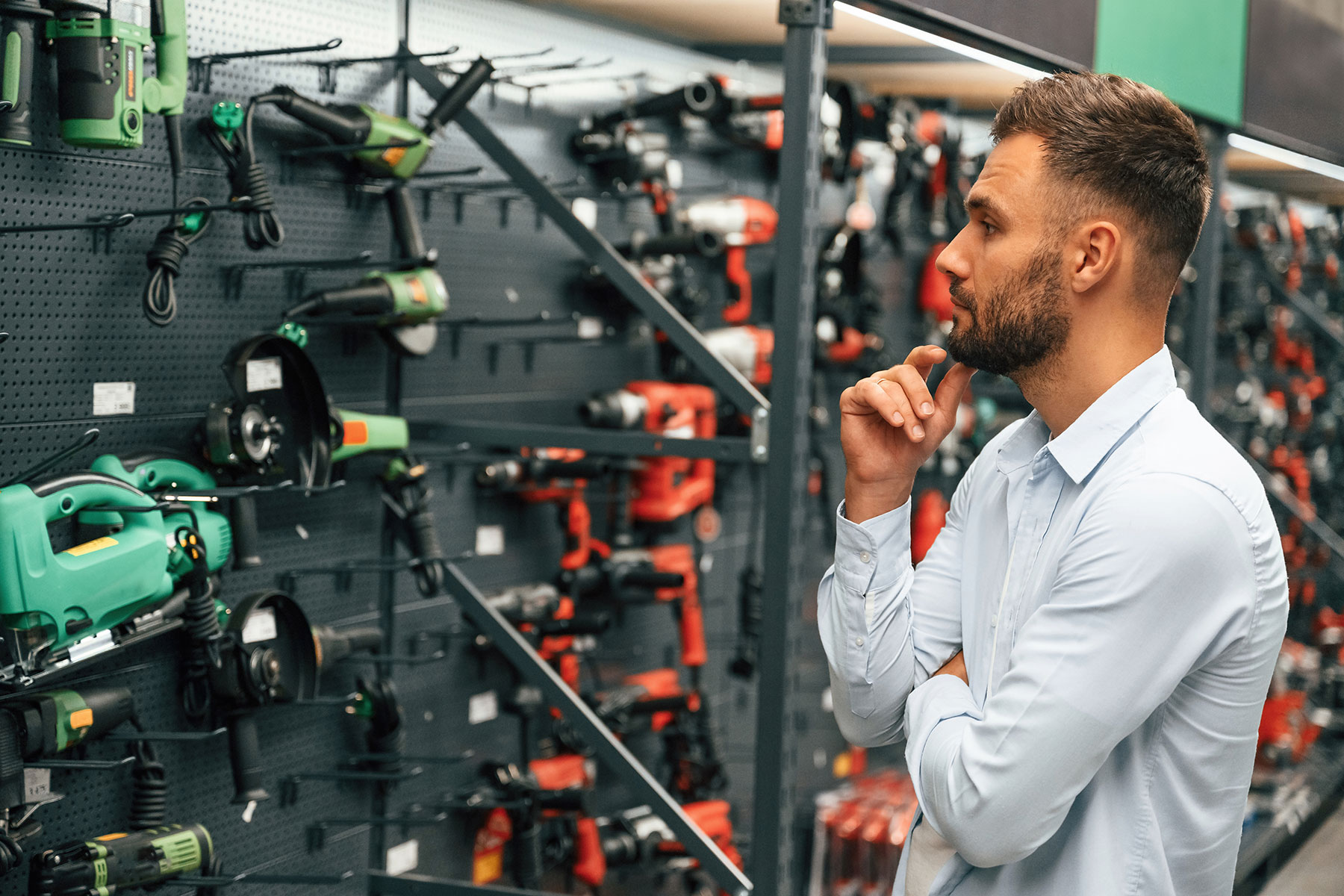
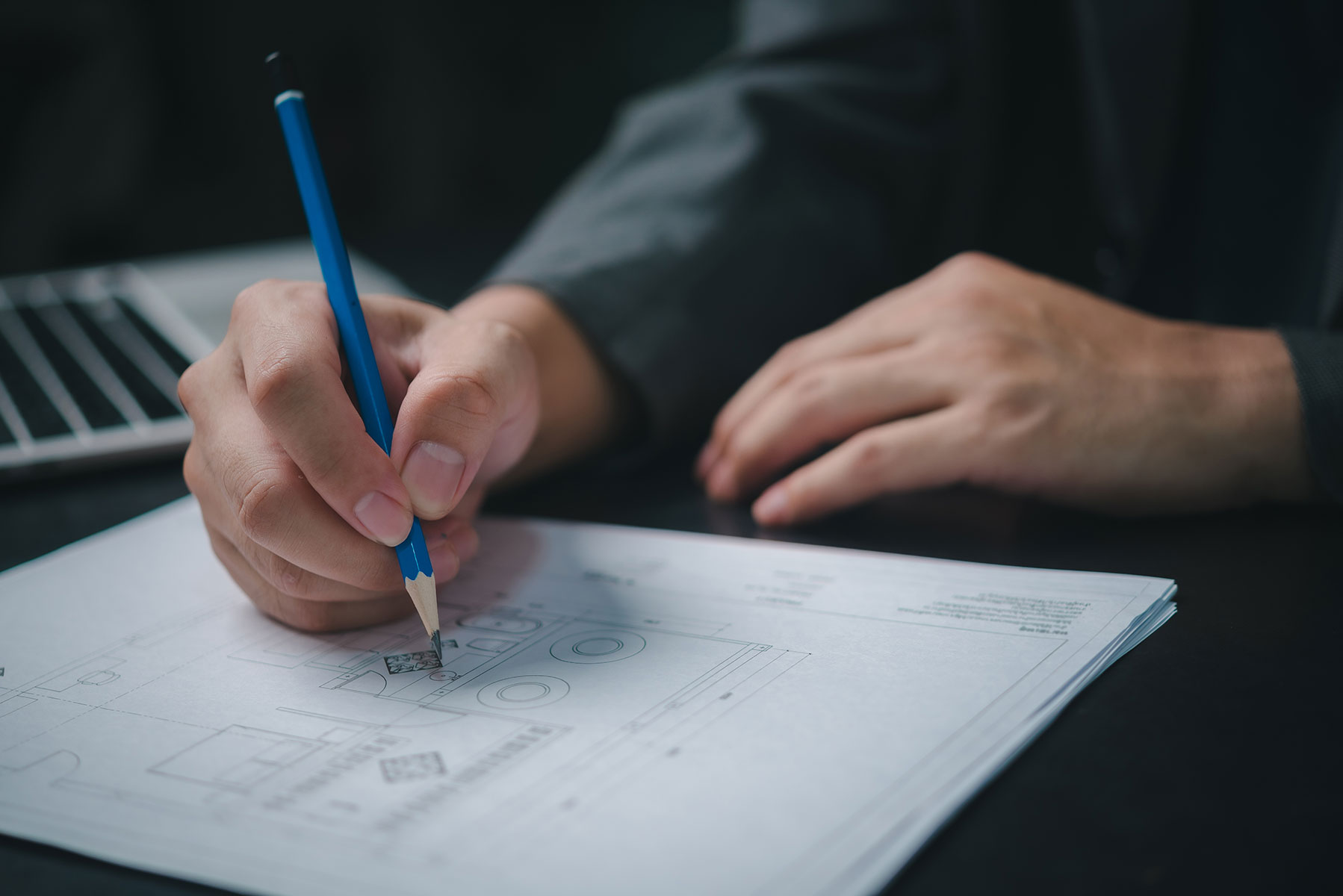
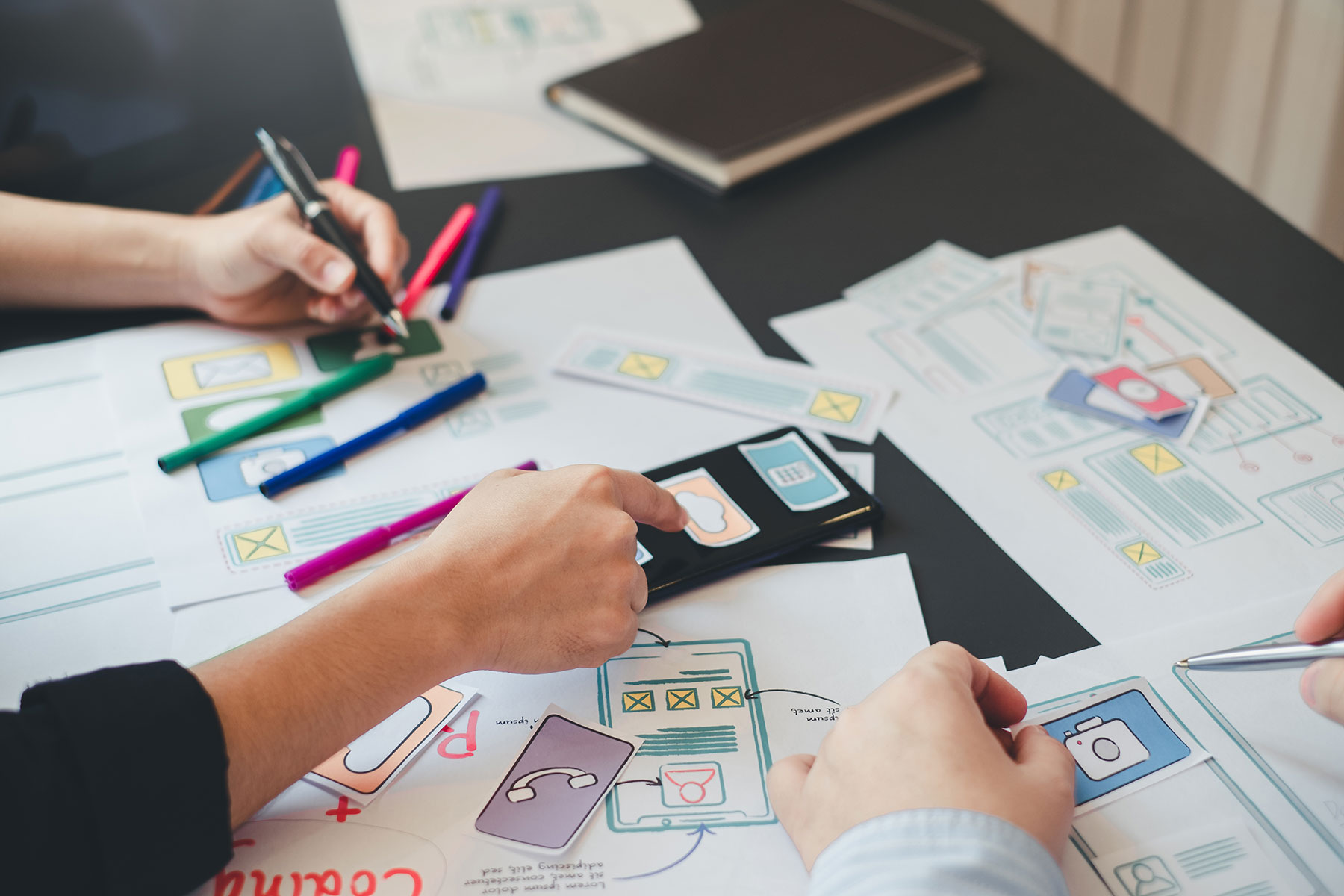
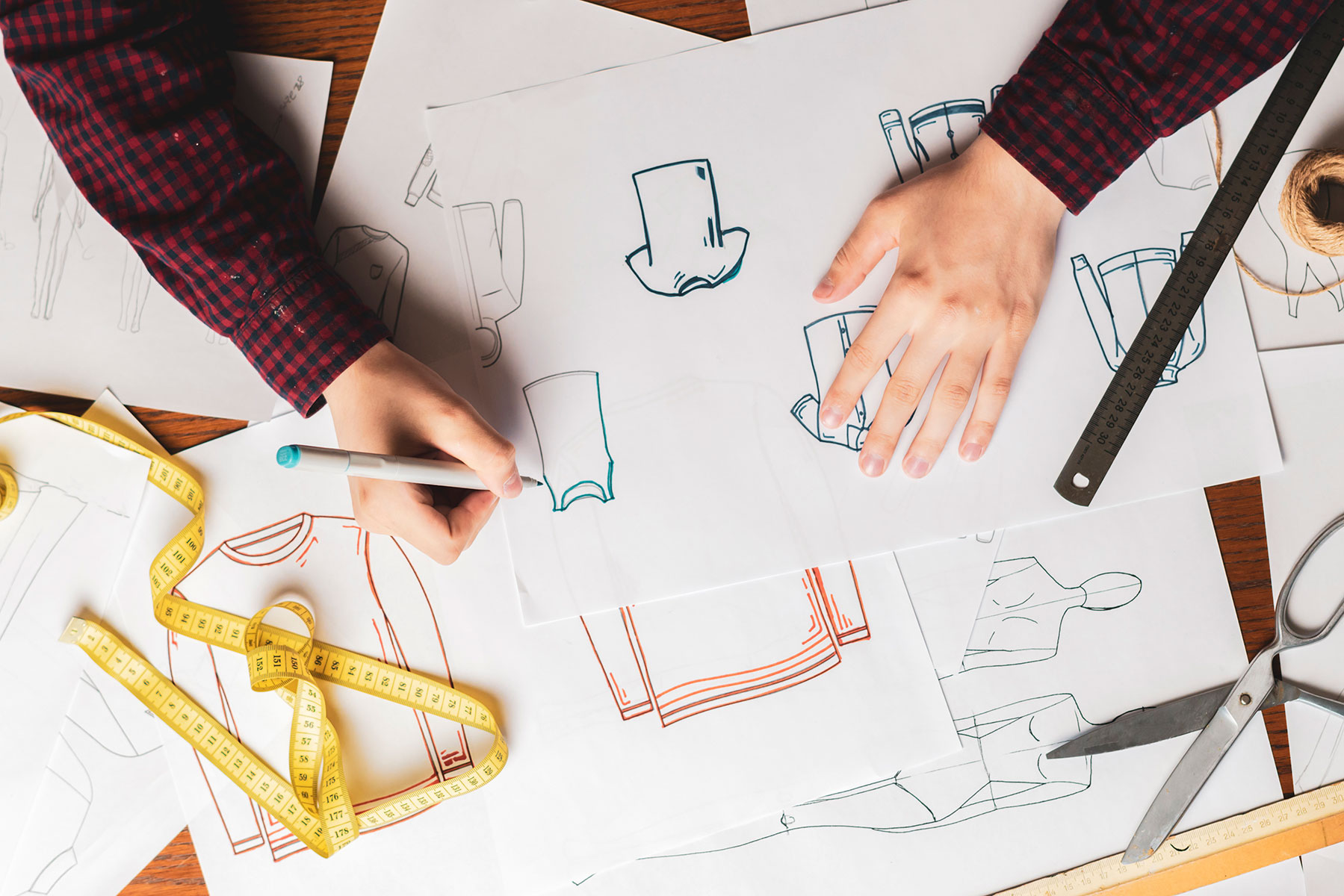
Concept Exploration is a key stage in the product development cycle where initial ideas are transformed into viable product concepts. This phase involves brainstorming, sketching, and creating multiple design options that align with the product's goals, target market, and functional requirements. Through iterative exploration, designers evaluate different materials, technologies, and design approaches to determine the most promising solutions.
Effective concept exploration enables innovation and ensures the best ideas are refined and developed further. It allows teams to experiment and test various options without committing to a final design too early. By thoroughly exploring concepts, businesses can identify the most effective solution, minimize design risks, and ensure the final product meets both user expectations and business objectives, leading to a more successful outcome.


Visual Representation
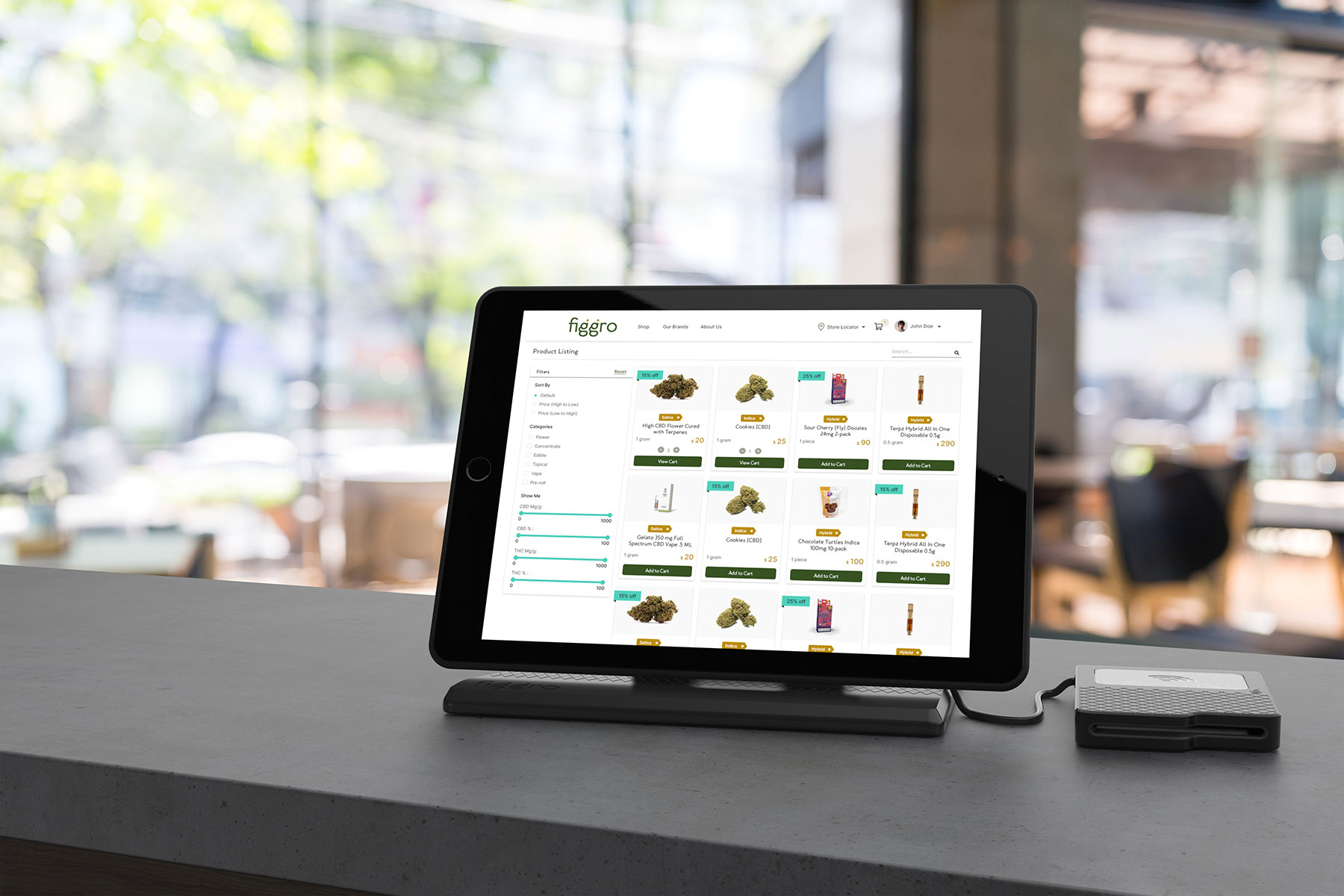
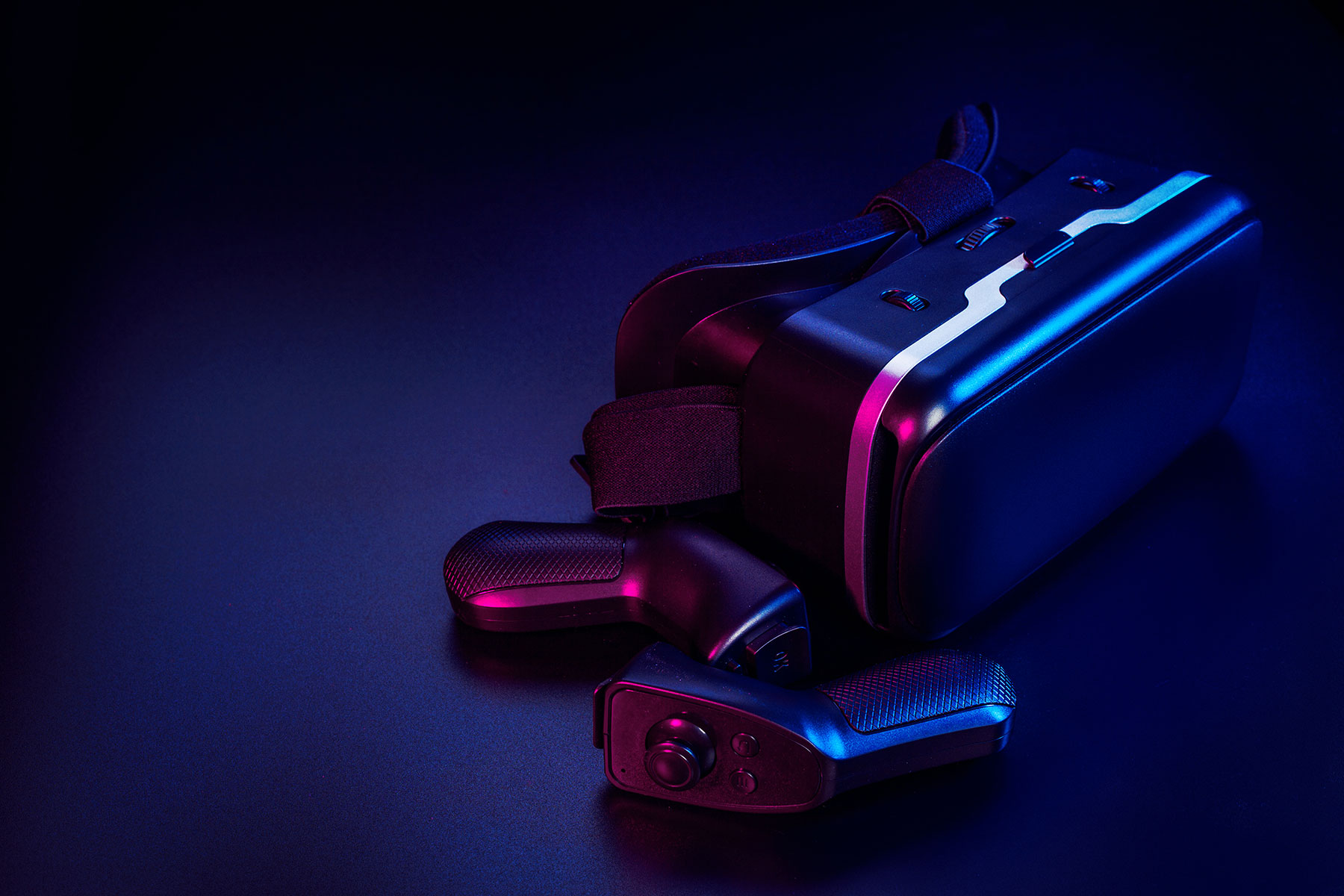
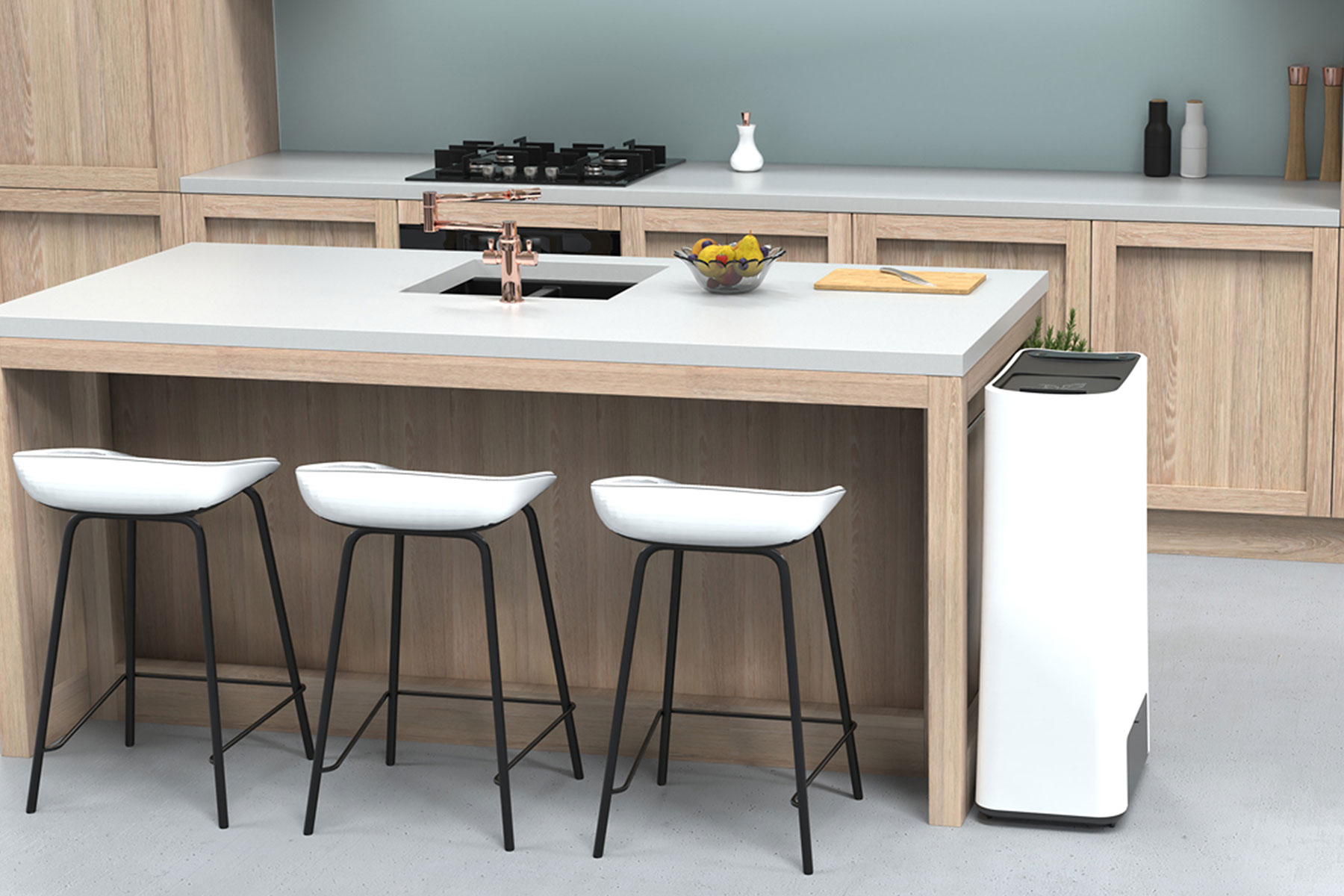
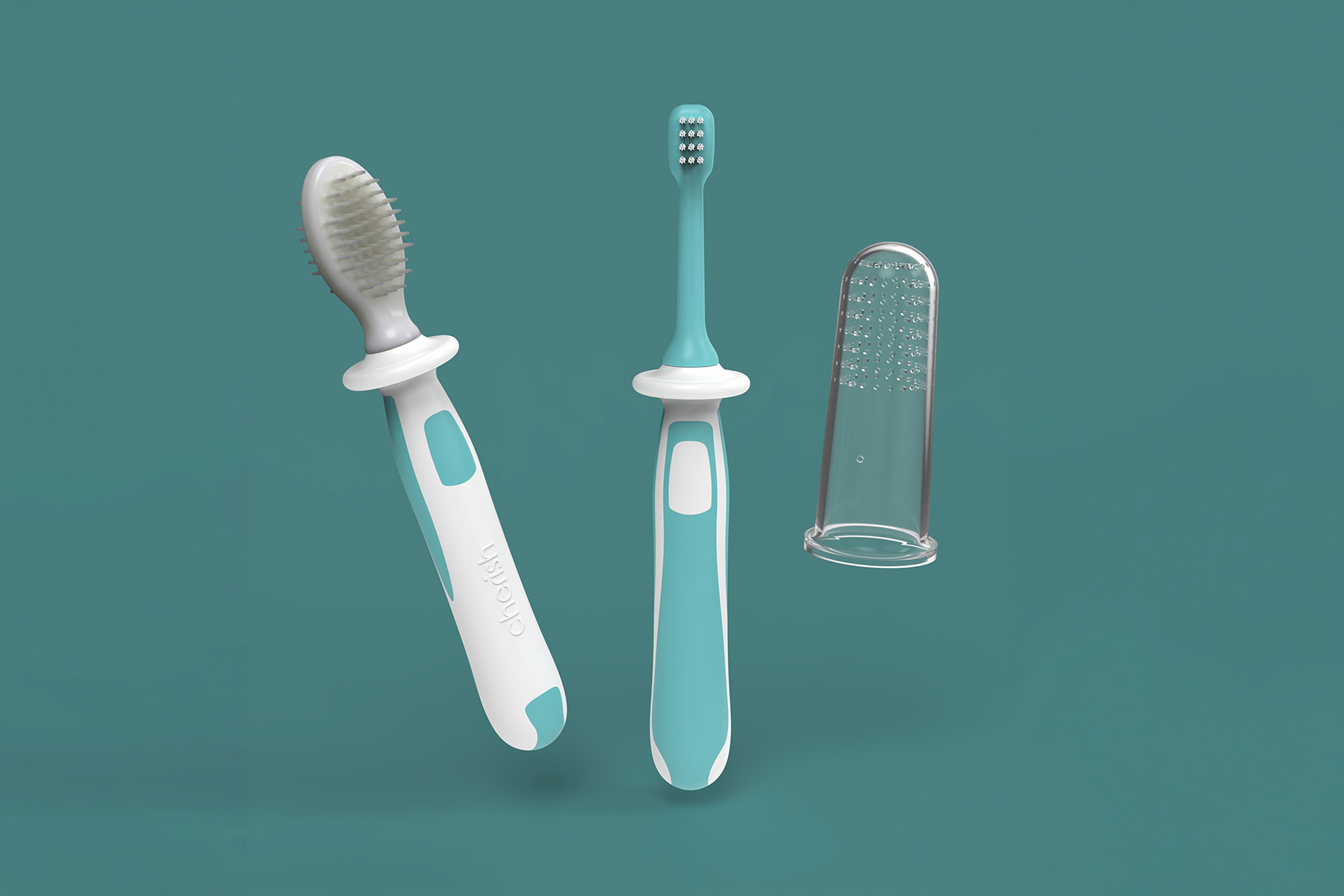
3D Visual Renderings are realistic, high-quality digital representations of a product, allowing stakeholders to visualize the final design before production. These renderings showcase the product’s appearance, materials, and functionality in detail. By providing a clear and accurate visual, businesses can assess design aesthetics and make necessary adjustments early in the process.
Renderings also facilitate communication between designers and clients, ensuring alignment with the client’s vision. This phase minimizes the need for costly physical prototypes and accelerates decision-making. 3D visual renderings help ensure the final product matches the intended design, enhancing the overall quality and success of the development process.
Engineering & Material Analysis
Feasibility Studies assess whether a product concept can be realistically manufactured and brought to market. This phase involves evaluating technical, financial, and operational aspects to determine if the product is practical to produce. Key factors such as material availability, production costs, and manufacturing limitations are considered.
Feasibility studies help identify potential challenges early in the process, allowing for adjustments before committing to full-scale production. By ensuring the concept is achievable, businesses minimize risks, avoid costly errors, and improve efficiency. This phase guarantees that the product design can transition smoothly into prototyping and manufacturing while meeting financial and operational goals.